


ORCA’s Mindful Guide to Landscape Design
Translation missing: en.blogs.article.author_on_date_html
Living
ORCA’s Mindful Guide to Landscape Design
August 21, 2025
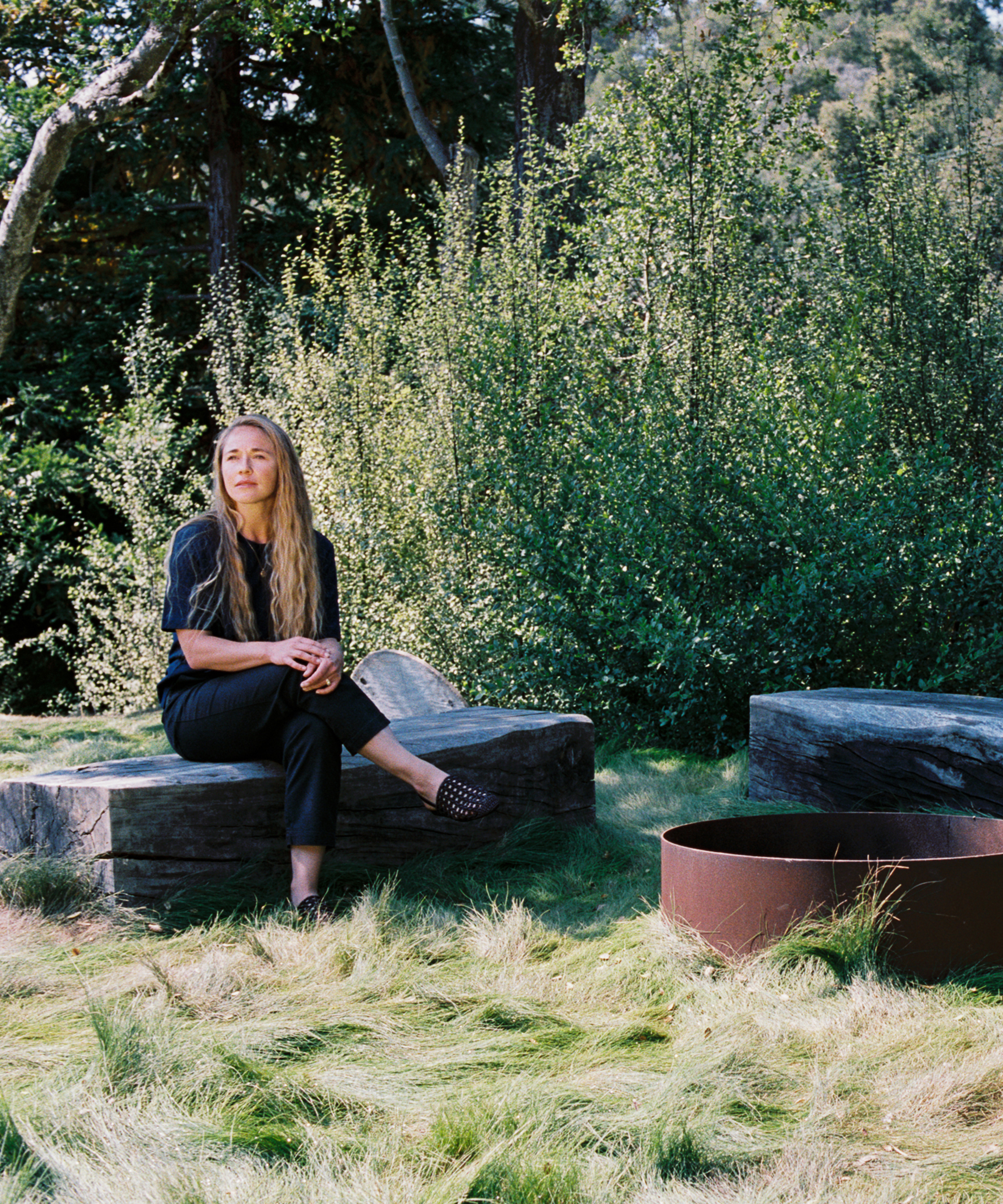
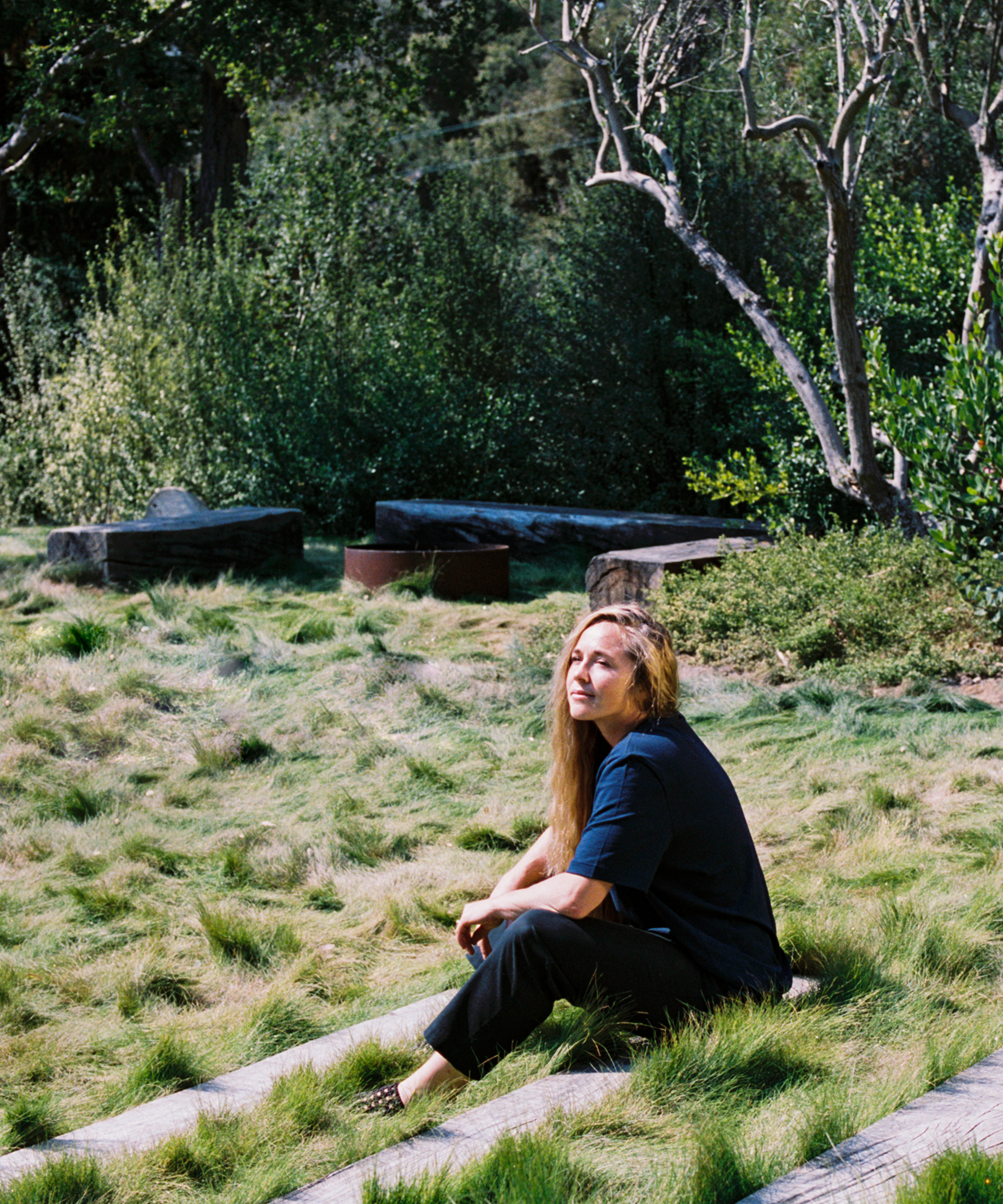
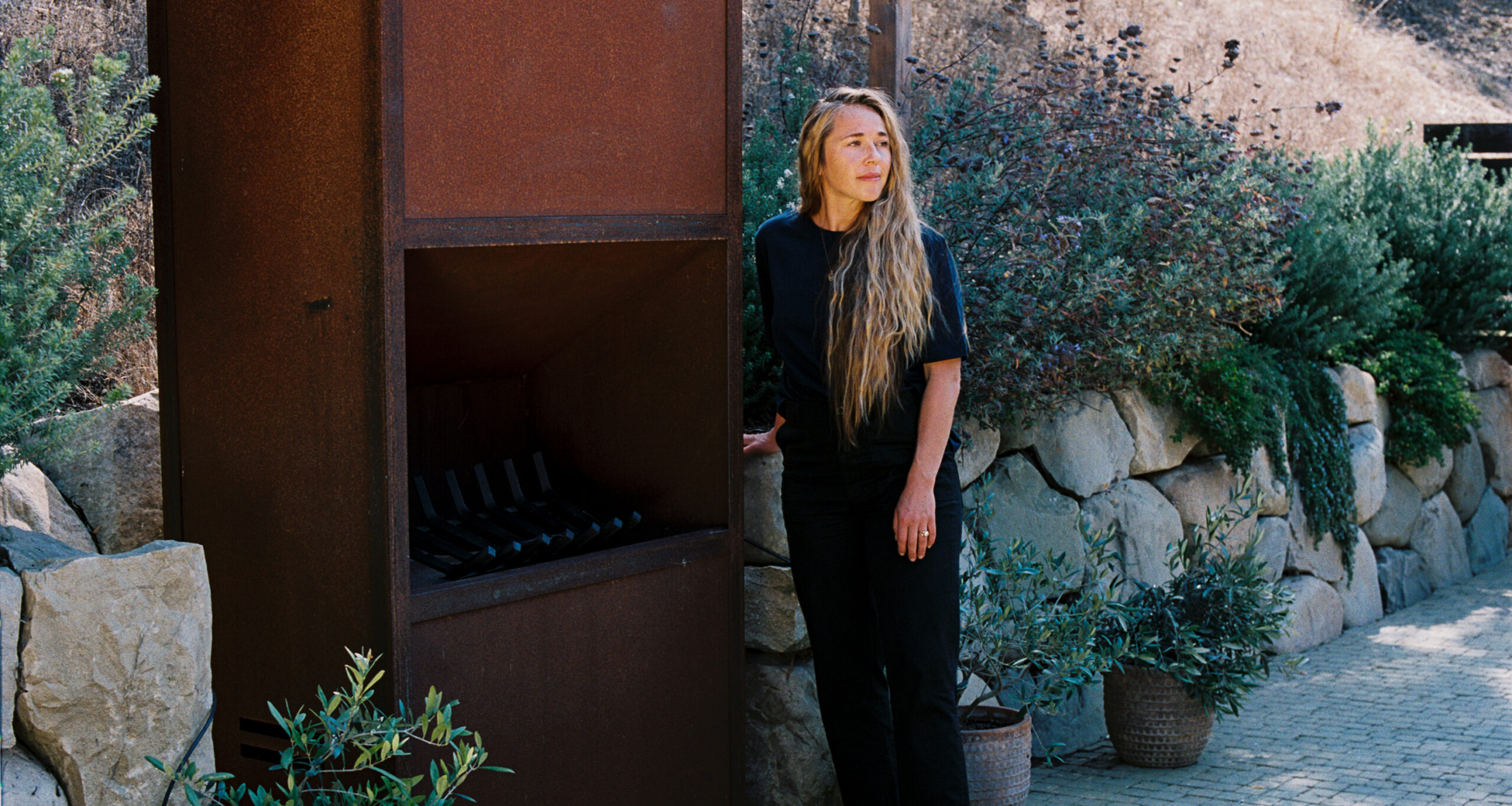
For Molly Sedlacek, founder of the landscape design studio ORCA, outdoor design is more than aesthetics—it’s a way to restore our connection to the earth and, in turn, to ourselves. In this conversation, she shares her guiding philosophy and approach to crafting spaces that invite us back into a relationship with the natural world we’ve grown distant from. With a focus on elemental materials, texture, and scale, Sedlacek transforms projects like this residential Santa Barbara garden into living, breathing sanctuaries—keep reading for her mindful approach.
ORCA’s Mindful Guide to Landscape Design
Rip & Tan: Let’s start with your philosophy. What does it mean to “reconnect people with the earth” through landscape design?
Molly Sedlacek: Our goal is to reconnect humans to the earth through plants and natural materials in their rawest form. We believe that this connection to nature is vital to healing the human condition.
We are the first indoor species, where 90% of humans’ lives are spent indoors. We (humans) can be at odds with the speed of life, and we lose touch with what it means for things to not be perfect, which is what nature embraces. When we remove environments and homes of organic matter and unrefined materials, we lose connection with not only the outside world, but ourselves. At ORCA, we are hoping to help re-prioritize materials that reflect the natural world.
Rip & Tan: You like to embrace raw, natural materials. How do you think about texture and scale when designing an outdoor space?
Molly Sedlacek: If a space doesn’t make you feel something, an opportunity has passed you by. And feeling goes beyond the eye—it’s touch, taste, smell, a distant memory, contentment and solitude. ORCA’s ethos is to lead with materials, as these are the tangible components that build the space we experience these feelings in. The combination of soft grasses and a tall, sturdy Sycamore with a worn stone bench below—this is a story told through materiality and scale. When we stand at the base of a Redwood, there is a feeling of awe and wonder. Our goal at ORCA is to recreate this in residential gardens.
Shop the Story
Rip & Tan: When approaching a new project, like this one in Santa Barbara, what’s the first thing you look for in a landscape?
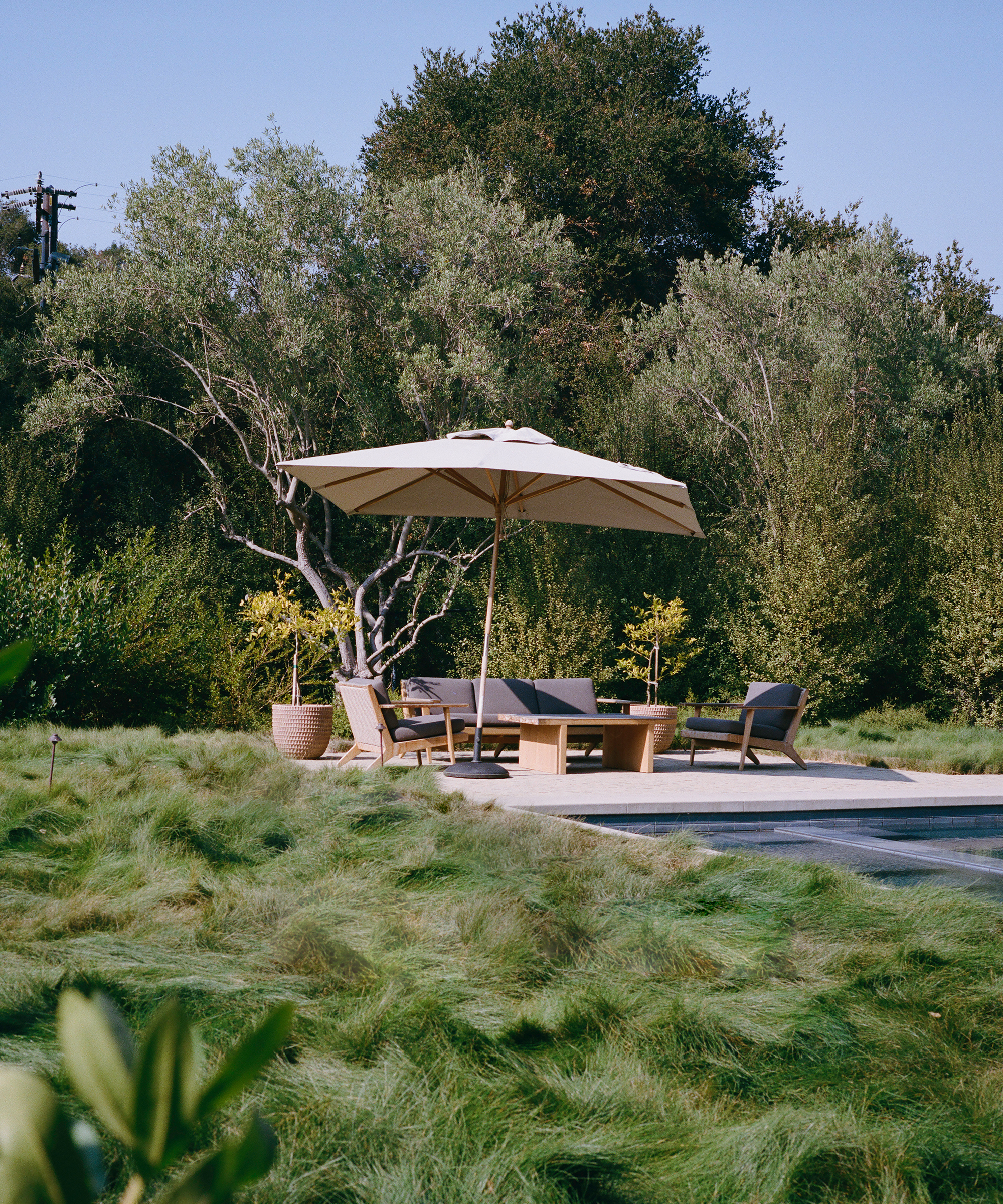
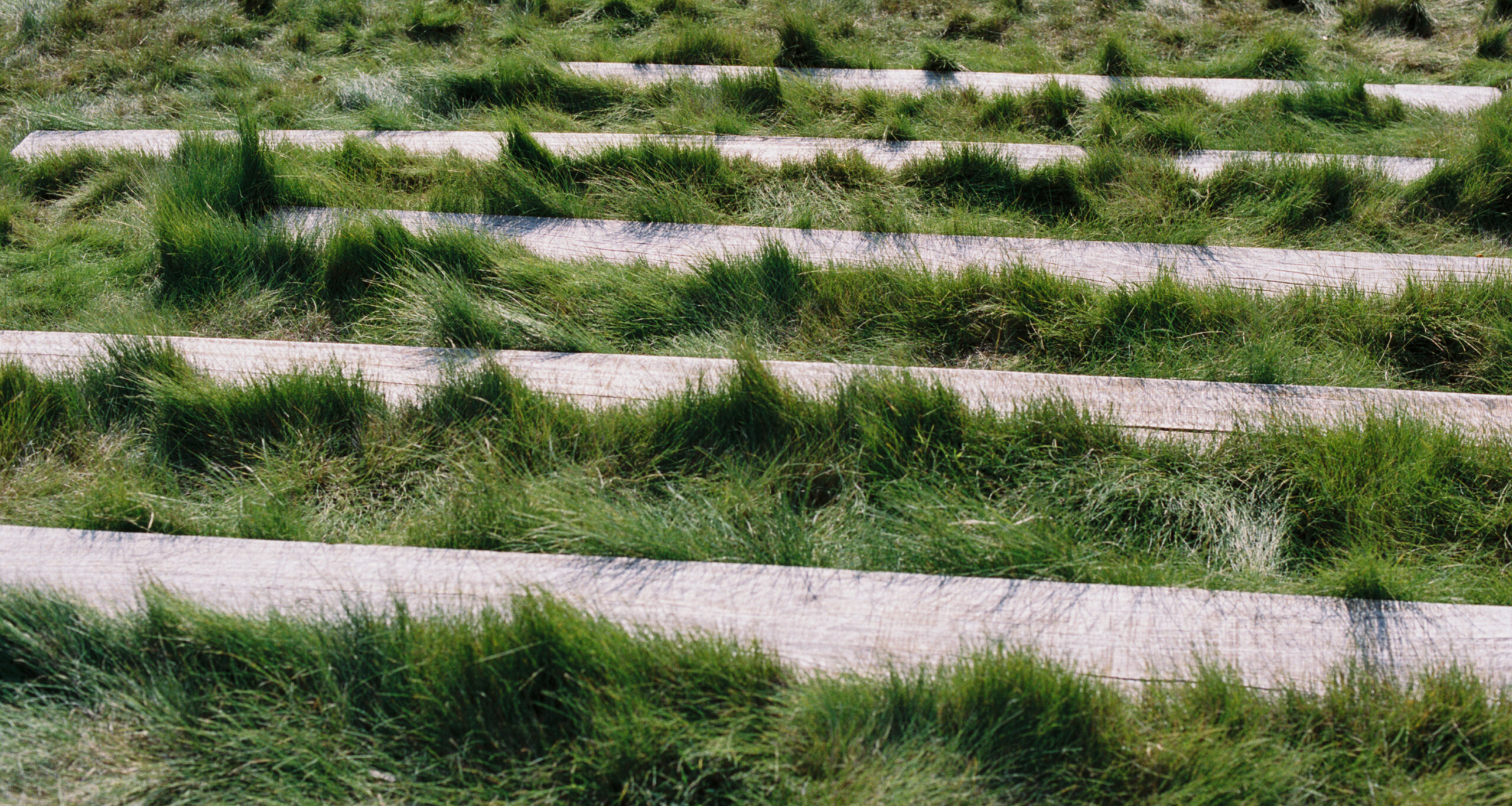
Molly Sedlacek: First and foremost, I look at the existing topography and how we can work with it. This land had a natural grade change that allowed for a slope transition from a lower grass playing meadow to an elevated entertaining pool. We worked with the land to allow the garden dweller to nestle in naturally. We used fallen trees from Angel City Lumber to create a playful natural stair between the levels.
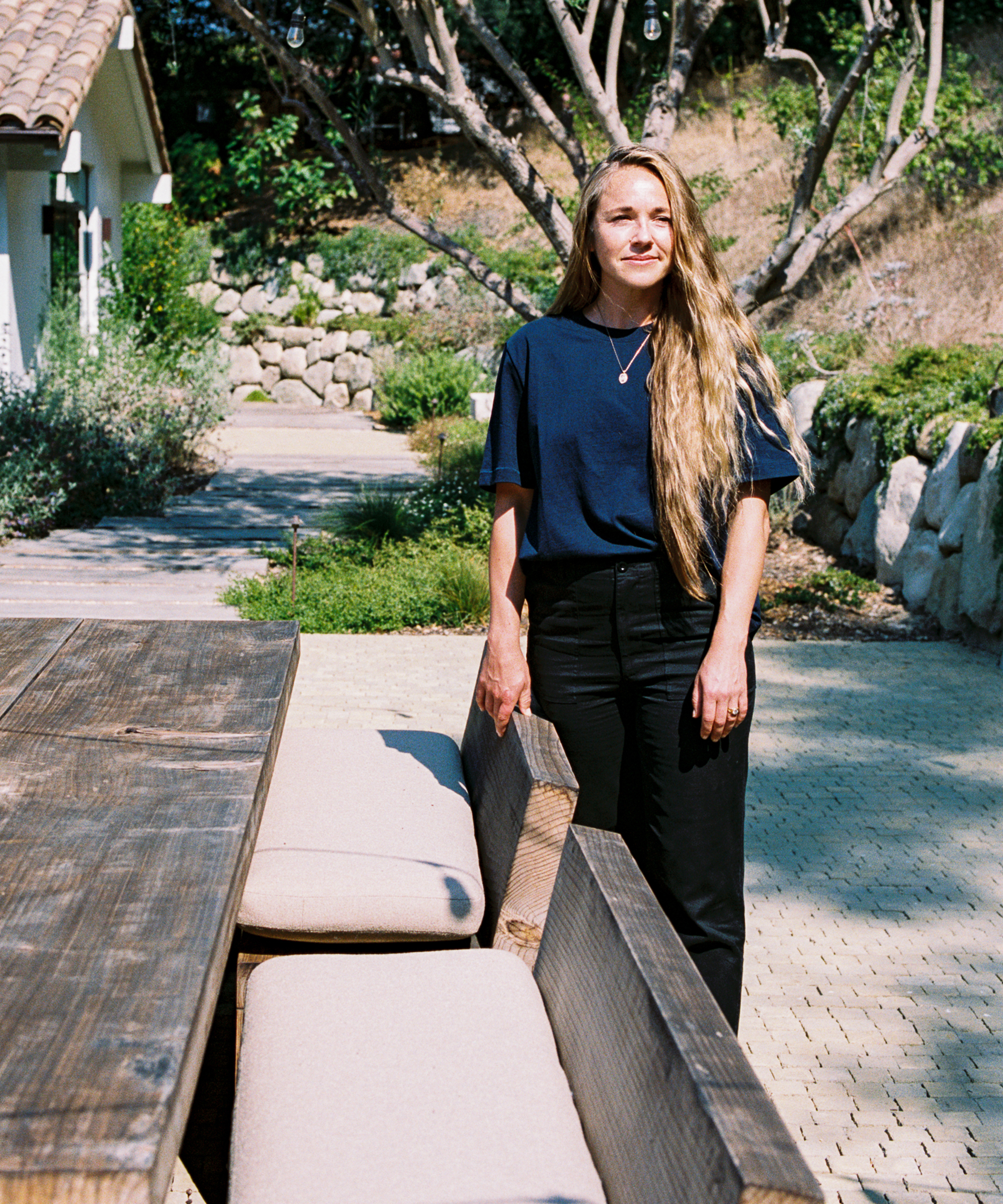
The second thing I look at is who is occupying this garden. In this project, a family with young children goes to Hope Ranch to reprieve from the city. Openness and large gathering areas were important. Our fire pit seating is using massive cubed timber benches, and our dining table seats over twelve.
The third thing is looking to create rooms. Rooms create rituals, and by designing intimate spaces, we encourage daily routine outdoors. This builds a beautiful relationship with the garden.
Rip & Tan: How did this home’s natural surroundings inform your design choices?
Molly Sedlacek: The home is a Spanish ranch with a long, linear floor plan, allowing lots of doors and windows to open up onto the garden. This encouraged plants and pathways to intersperse along the architecture. There was an abundance of indoor/outdoor opportunities.
Shop the Story
Rip & Tan: What are your go-to materials for building out outdoor spaces? How do you like to use them?
Molly Sedlacek: In nature, there is no cement, there is no paint. When we pair things back to what the earth provides, there is an unspoken calm that we invite in.
We use stone, clay, and timber (both wood and living tree). These are the materials our ancestors used to have shelter, security, currency, and beauty.
With these materials, no two are alike. They challenge me to always be learning, and see each piece built as a unique particle of time that has joined me (or a client) on the journey.
I love to use trees near where people gather, natural wood to sit on, stone to retain the earth, and clay brick to walk barefoot. A part of ORCA’s mission is to bring these materials to homeowners and other designers. We manufacture California clay brick with the hope people can incorporate earth’s materials into their gardens and homes.
Rip & Tan: How do you view outdoor furniture fitting into your work?
Molly Sedlacek: Furniture wants to be integrated in a way that it doesn’t feel like an add-on. I like to plan the space for as much natural seating as possible by using the natural grading of the garden and layering in stone walls or using a pool ledge as a bench. Then I like to layer in some modular moments. There also needs to be some comfort. We will often use a thick slab of redwood for a dining bench, then top it with a canvas cushion.
Rip & Tan: Do you have any favorite Jenni Kayne home pieces for outdoor living?
Molly Sedlacek: I love the Trestle Dining Table, Cedar Glass Candle, Bistro Cutlery Set, and the Pacific Dinnerware. All together make a great gathering arrangement.
Rip & Tan: How do you recommend refreshing an outdoor space for fall?
Molly Sedlacek: Fall gardening in California is my favorite. I recommend layering in some new plantings such as fragrant pitcher sage (Lepechinia fragrans) or California buckwheat (Eriogonum fasciculatum), adding a good layer of mulch to fruit trees, prune back any dead flowers on plants (be sure to leave anything with berries as these are for the birds!), and amend the soil with organic matter.
Rip & Tan: What’s one element you think every outdoor space should have?
Molly Sedlacek: A focal rock—I love using a big boulder as an art piece.A hero tree—think large enough that you can sit under it. A bird bath or water moment, and a place to sit with your back against plantings and view out, so there is prospect refuge.
Shop the Story
Photos by Emilie Wilde