


How Jenni Set the Table for a Cause She Holds Close to Her Heart
Translation missing: en.blogs.article.author_on_date_html
Entertaining
How Jenni Set the Table for a Cause She Holds Close to Her Heart
May 18, 2023
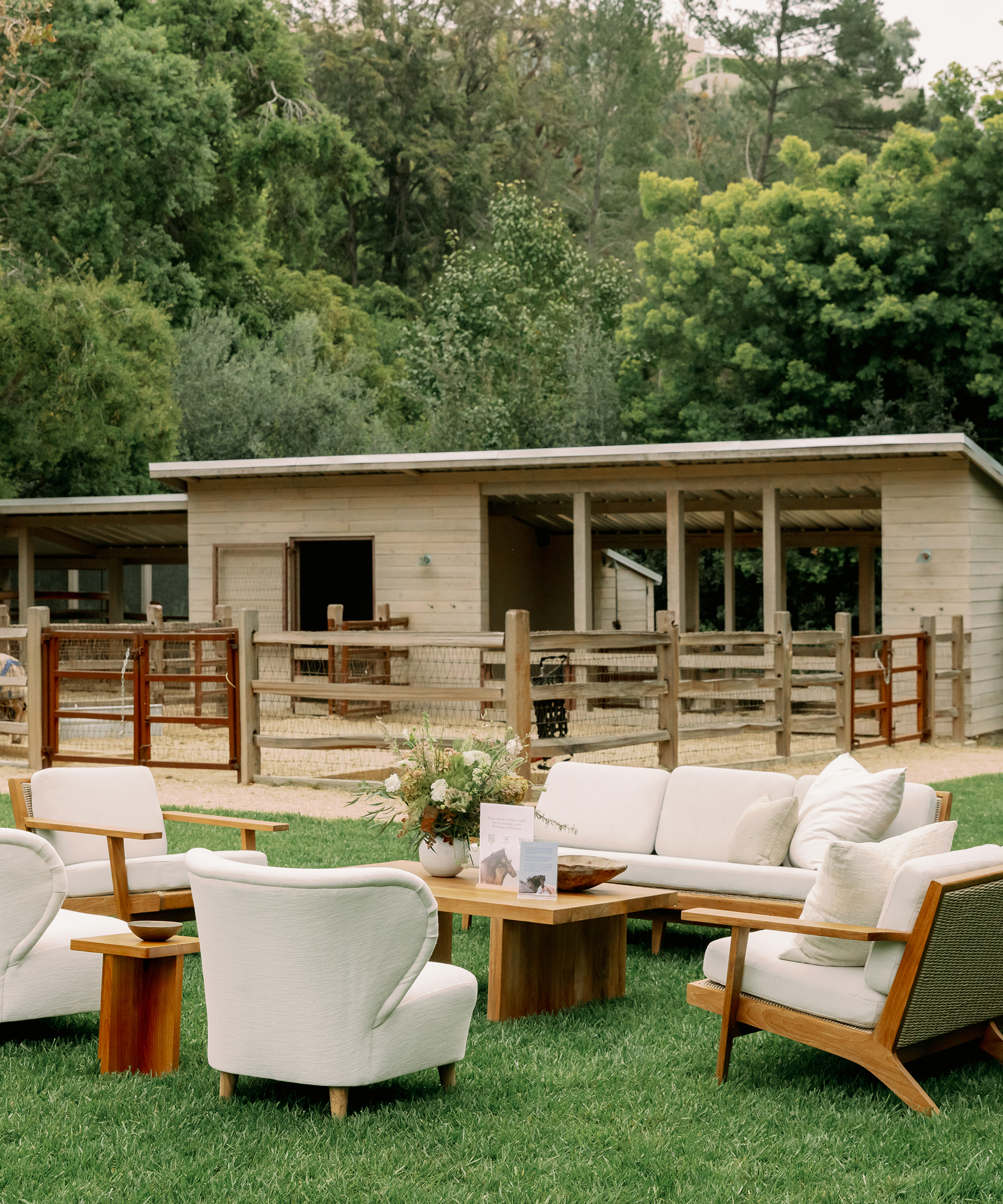
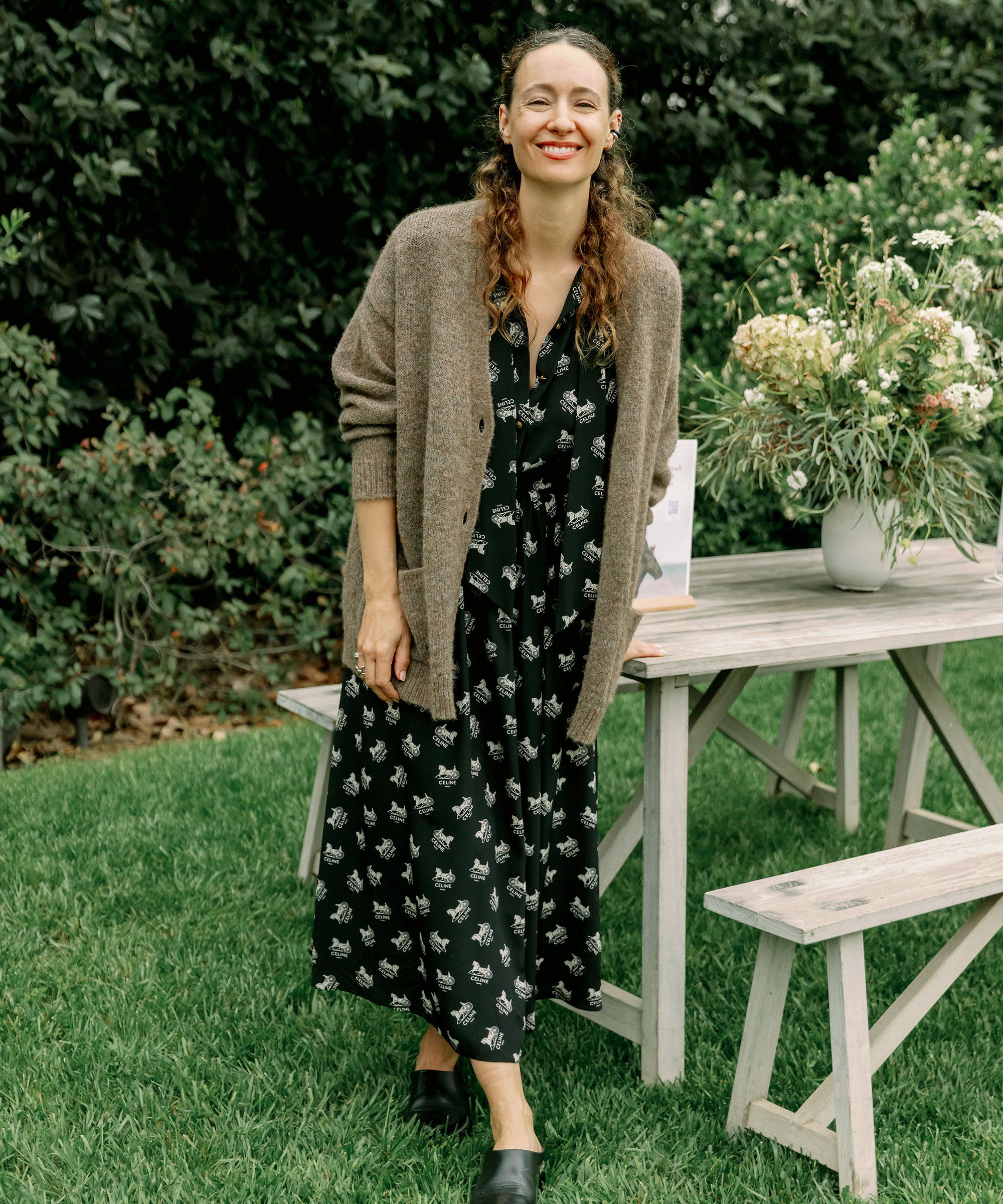
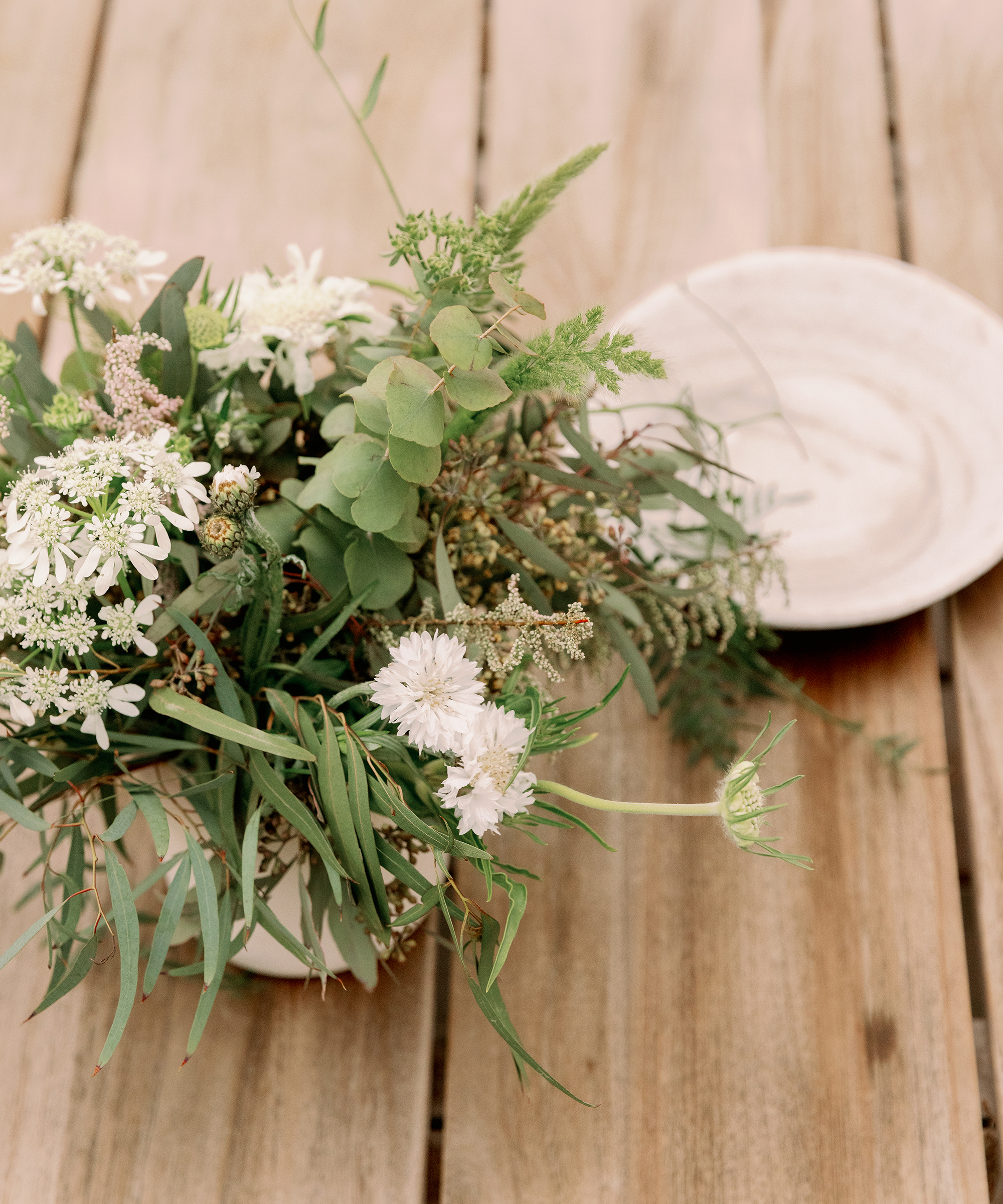
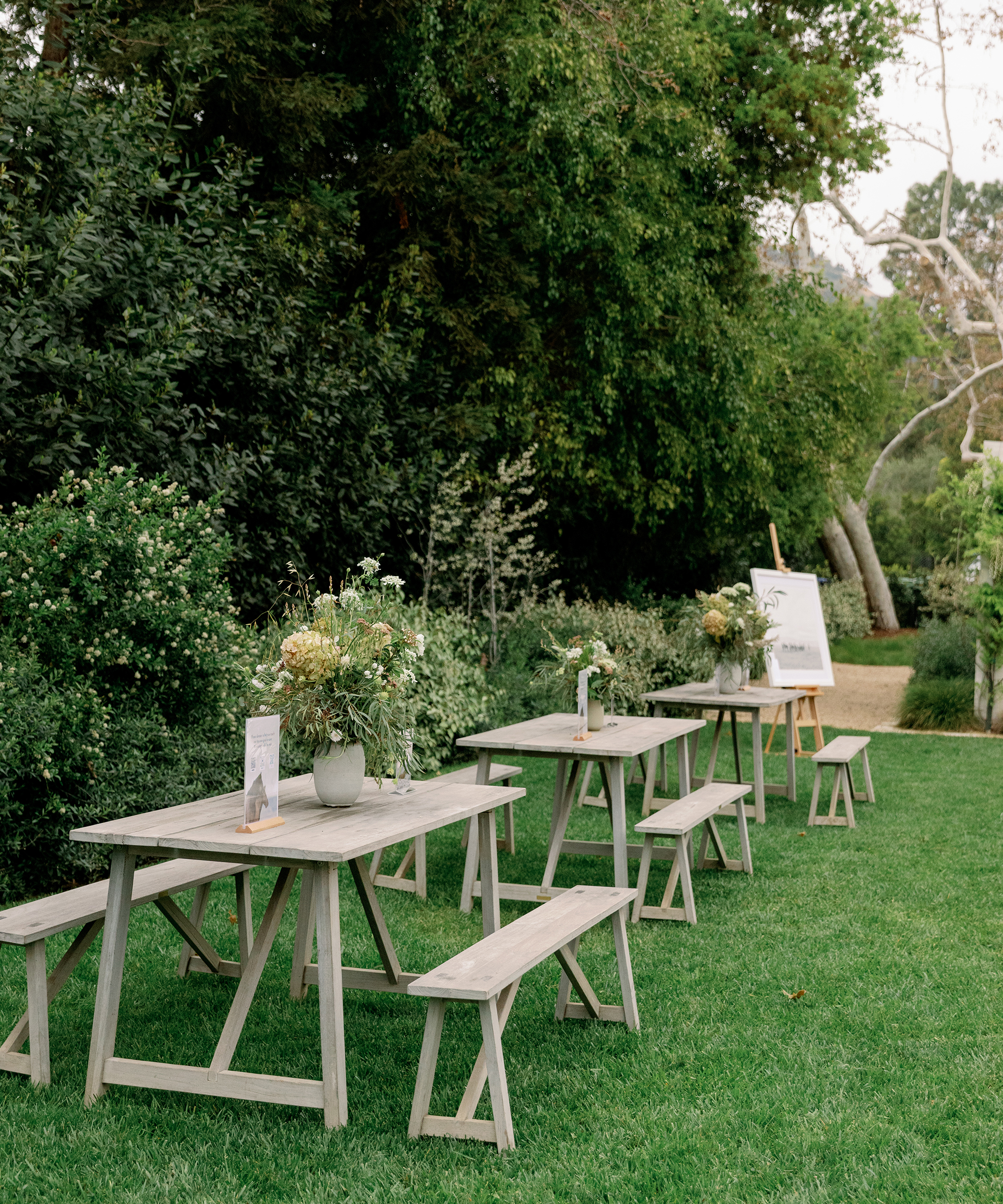
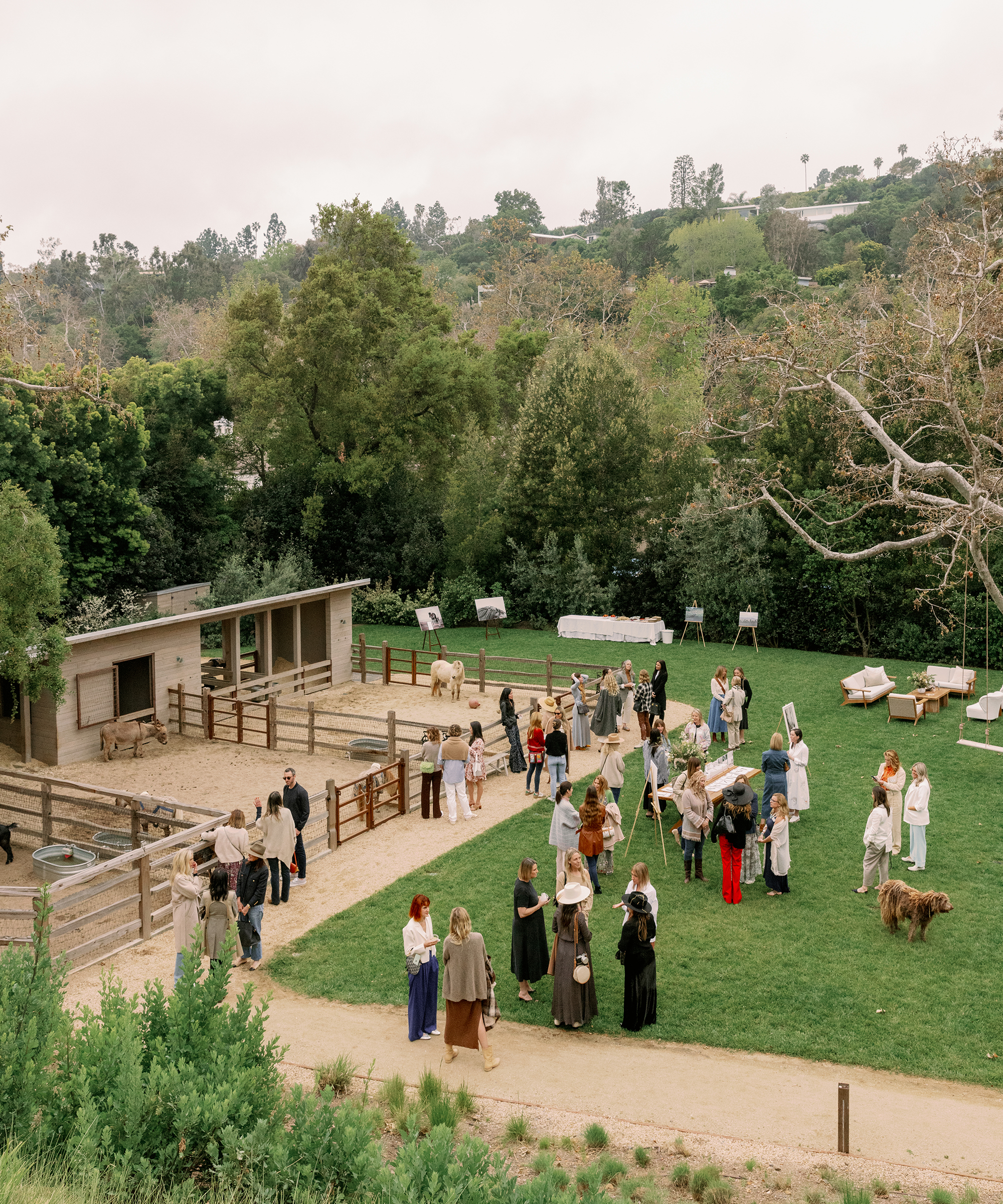
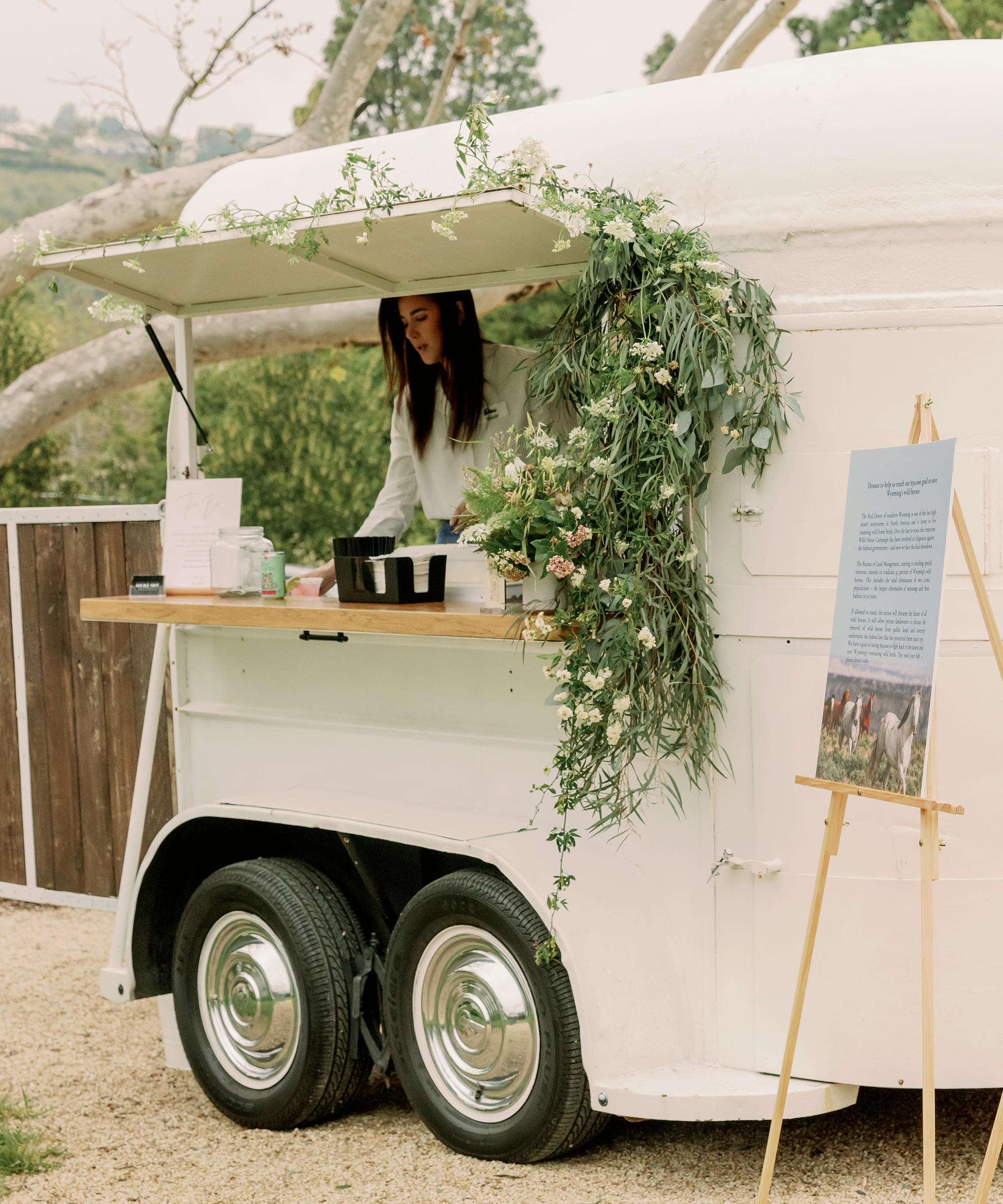
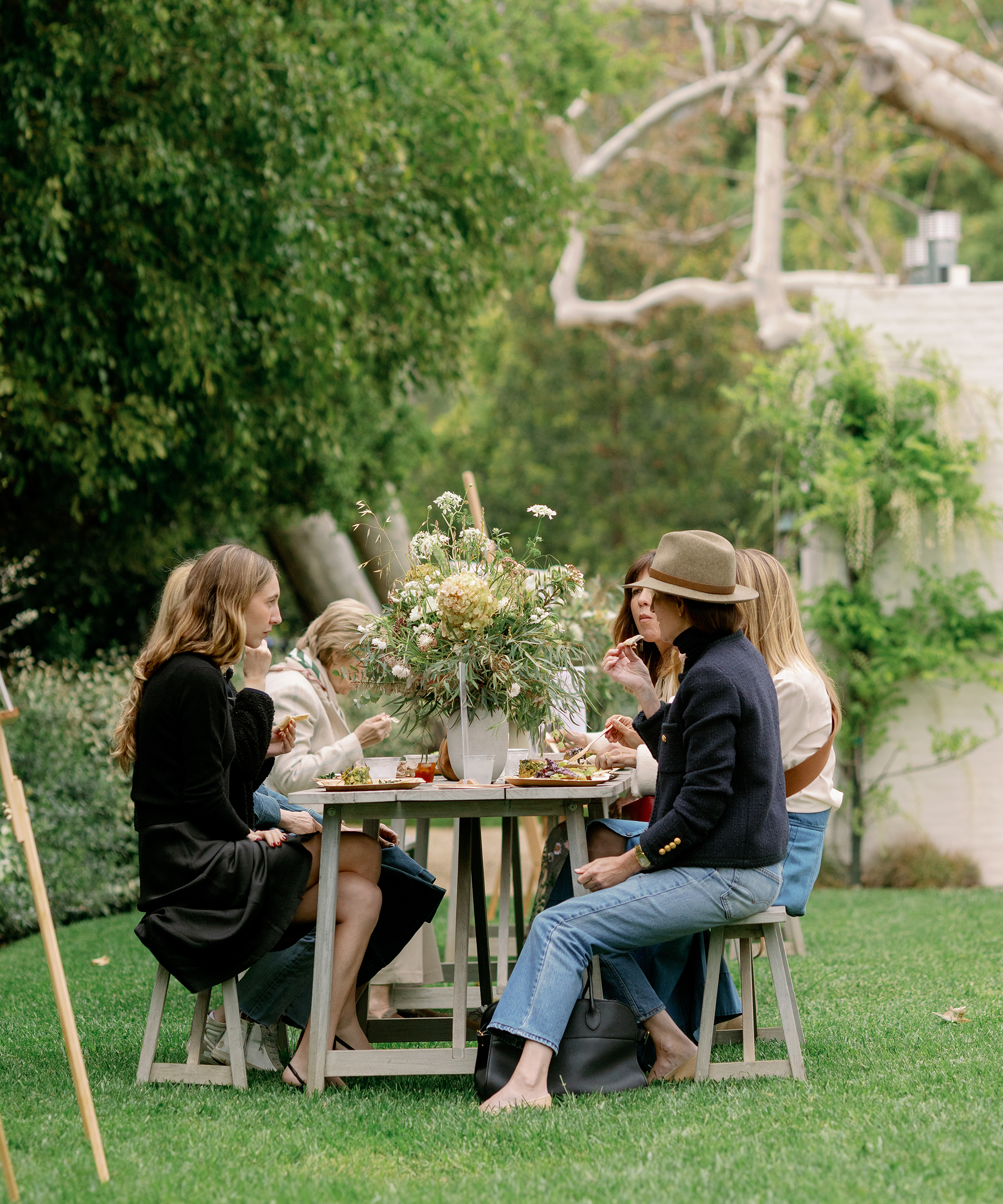
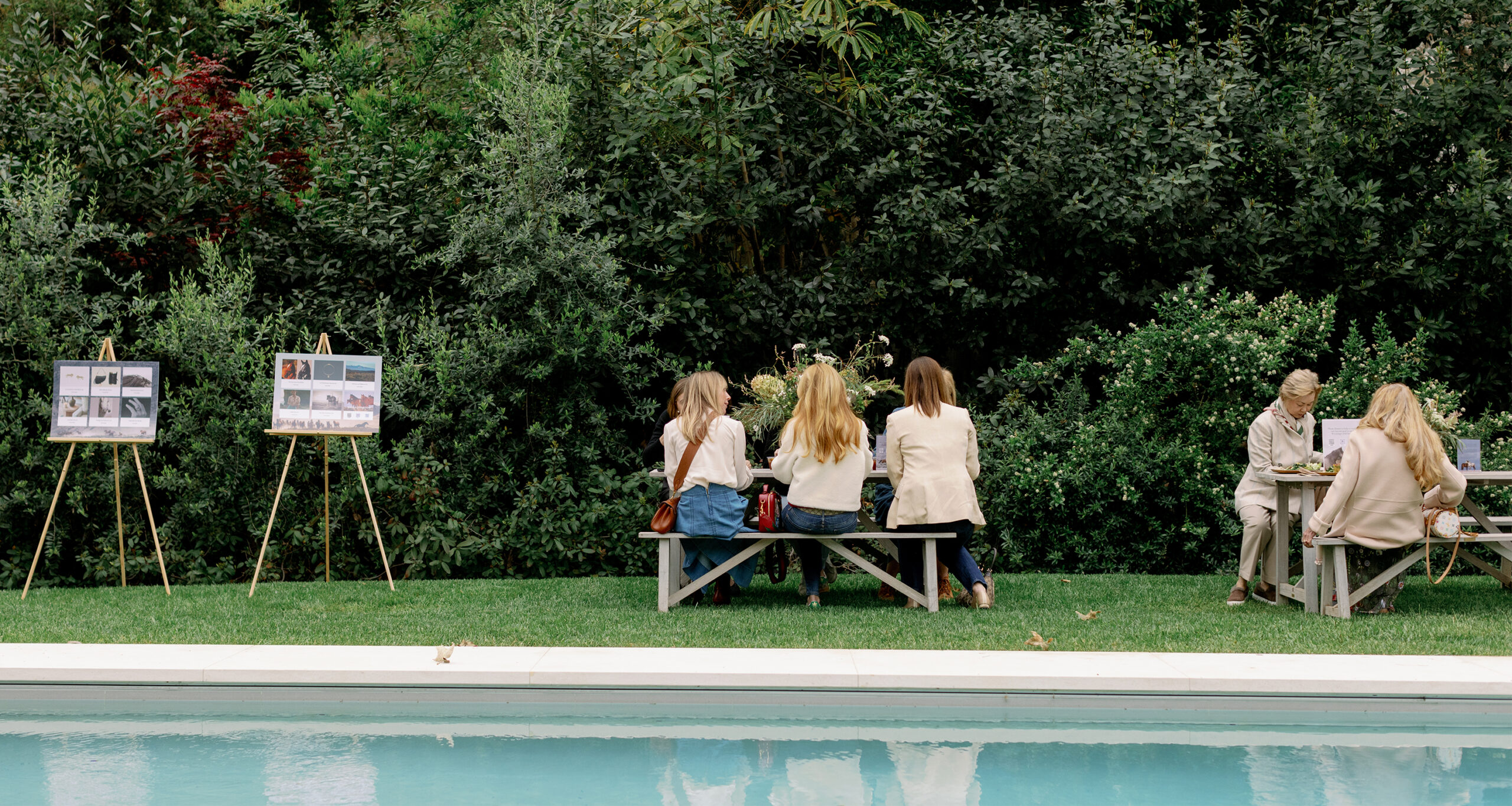
Whether it’s a small meal with friends or an all-out celebration, Jenni’s known to put her thoughtful touch on every occasion. When it’s one centered around raising crucial funds for the cause she holds most dearly, you can be sure she spares no detail—and from the menu to décor, every element of her recent luncheon for the American Wild Horse Campaign emanated a sense of intention. For all the dreamy details—plus a special conversation with AWHC’s own Grace Kuhn—keep reading.
How Jenni Set the Table for a Cause She Holds Close to Her Heart
Rip & Tan: Can you tell us more about the horses you’re trying to protect? How long have they been roaming these particular stretches of land?
Grace Kuhn: The American Wild Horse Campaign (AWHC) works to protect and conserve the wild horses and burros that roam on 27 million acres of federal land in 10 western states.
One of the mustangs we’re trying to protect is a jet-black stallion, known affectionately by locals as Bubba. Last year, a large portion of his family was torn apart when the federal government conducted a large-scale helicopter roundup. He was lucky to survive with just an injury to his knee, but others weren’t as fortunate.
Now, the Bureau of Land Management (BLM), catering to ranching special interests, is planning on coming back for Bubba and every single Mustang that lives alongside him in Salt Wells Creek. It is also planning to eradicate the public lands of the neighboring herd, Great Divide Basin. When all is said and done, 43 percent of Wyoming’s wild horses and their habitat will be lost forever.
If allowed to stand, this action will threaten the future of all wild horses. It will allow private interests to dictate the removal of wild horses from public lands and severely undermine the federal law that has protected them since 1971.
Thanks to the generosity of Jenni, Stacey, and their guests, we raised $60,000 to fight back in the courts, for which our attorneys believe we have a solid case.
Shop the Story
Rip & Tan: What’s a lesser known fact that might change the way the public perceives these wild horses and their current vulnerability?
Grace Kuhn: A lot of people don’t know that wild horses and wild burros have federal protection—the same level of protecton as the American bald eagle, in fact. I think this speaks volumes to the cultural significance of these animals to our country and our responsibility to not only protect them from harm, but conserve them for future generations to enjoy.
Rip & Tan: In the time you’ve been with AWHC, are there any moments that feel particularly rewarding or meaningful, whether for yourself or the organization as a whole?
Grace Kuhn: Oh, over the last ten years there have been so many moments. Off top of mind? Stopping the federal government from performing brutal and inhumane surgical sterilization research on wild mares. It took several court cases, but because of our efforts, we spared potentially thousands of mustangs from experiencing trauma, injury, or death. That was a big win that was ultimately made sweeter by coordinating a rescue of one of the mares who was slated to be experimented on.
Rip & Tan: Can you dive into some of AWHC’s active efforts? What are our donations going toward?
Grace Kuhn: AWHC takes a multi-pronged approach to this issue and donations go to various programs including, but not limited to:
Legislation—Our Government Relations team works to address the current threats in Congress. This lobbying effort, paired with grassroots mobilization campaigns connecting constituents to their elected officials, empowers each individual to promote policies that protect wild horses and burros. So far this year, we secured protective language in the Fiscal Year (FY) 2023 Interior Appropriations Bill which directs the Bureau of Land Management (BLM) to spend up to $11 million dollars of its Wild Horse and Burro operating budget toward humane fertility control and away from roundups.
In the Wild—AWHC operates the largest humane management program for wild horses in the world in Nevada where we are managing a herd of 3,000 mustangs that roam across a 300,000-acre habitat in the greater Reno area. We’re proving that wild horses can be managed in the wild instead of through helicopter removals. In just 3 years of operation, our program has humanely reduced the foaling rate (how many foals are born) by more than 61 percent, all without a single removal of a horse. The program has become a model for fertility control as a humane alternative to removals and continues to drive change at the federal and state levels.

Shop the Story
Rip & Tan: Can you dive into some of AWHC’s active efforts? What are our donations going toward?
Grace Kuhn: Legal—Our legal team has amassed a strong record of legal victories in federal court including three significant precedents at the Ninth and Ten Circuit Court of Appeals. We are currently involved in a court case against the federal government over its implementation of the agency’s Adoption Incentive Program which is sending droves of horses into the slaughter pipeline by incentivizing individuals to adopt wild, unhandled horses and burros in exchange for up to $4,000 in cash.
Education and Advocacy—AWHC raises the bar on the public’s knowledge about wild horses and burros and the need to save them through face-to-face community outreach, online and social media organization, and national media outreach. Thanks to these efforts, last year we added more than 100,000 members to our action team and were mentioned over 1,200 in the media.
Land Trust—Consistent with our mission to protect wild horses in the wild and preserve them for future generations to enjoy, AWHC has launched the American Wild Horse Conservancy, an innovative new program that focuses on preserving and increasing habitat for wild horses and burros. While many important land conservation efforts are underway in the West, none include the preservation of wild horses and burros in their missions. This year, we officially launched the pilot project of our American Wild Horse Conservancy Land Trust with the acquisition of 3,300 acres of prime habitat in Nevada’s beautiful Carson Valley just 30 minutes east of South Lake Tahoe.
"An ideal future would give the horses a fair share of the resources and private livestock would be reduced or eliminated in their habitat."
Rip & Tan: In the eyes of AWHC, what does an ideal future look like for us and the horses?
Gracec Kuhn: The ideal future for wild horses would be to uphold the promise that Congress and the American public made to these animals when a federal law was passed to protect them more than 50 years ago. Upholding that promise would mean that mustangs would be able to live wild and free with their families without constant fear of eradication.
An ideal future would give the horses a fair share of the resources and private livestock would be reduced or eliminated in their habitat. The public lands could recover and to help with that, we could reintroduce or protect predators that are imperative to balancing ecosystems. Federal funding would be redirected to support humane, in-the-wild management using fertility control to uphold the Bureau of Land Management’s multiple-use mandate and stabilize populations.
Perhaps this visual helps: As the morning breaks, a stallion protectively watches as his herd quietly descends from the surrounding hills, following a trusted mare to a watering hole. Tiny foals trot next to their mothers. Mares nicker softly back at their babies. A couple of bachelor stallions spar alongside, kicking up dust that shimmers in the suspended moments of a peaceful morning. This is our vision of wild horses living the way nature intended.
Photos by Amanda Sanford