


A Designer’s Perspective on the Perfect Finishing Touch
Translation missing: en.blogs.article.author_on_date_html
Living
A Designer’s Perspective on the Perfect Finishing Touch
May 13, 2022
If there’s one thing we know for certain, it’s that creating the space you’re happy to call home is all about the details—and while it’s one thing to find those perfect, personality-encapsulating pieces of décor, when it comes down to doorknobs and faucets, the process of sourcing functional elements that still feel true to your aesthetic sensibilities can often feel like a feat unto itself. So we called on Linnea Schooley—our in-house interior designer and expert on the perfect finishing touch—with all of our essential hardware questions. For her guidance on everything from the beginning fundamentals—what does hardware even entail, after all?—to expert level interior insights, read on, and be sure to bookmark for later.
A Designer’s Perspective on the Perfect Finishing Touch
Rip & Tan: Let’s start with the basics: what do we mean we say hardware?
Linnea Schooley: In a broad sense, we mean metalware. It can include things from cabinetry hardware (knobs, pulls, hinges), to plumbing hardware (faucet, shower head, drain), to window treatment hardware (curtain rods), and so forth.
Rip & Tan: What’s your approach to hardware? Where in the design process does it come into play?
Linnea Schooley: Hardware is usually the finishing touch and is generally something that I base off of the rest of the choices made in the room.
Rip & Tan: Whether it’s a faucet, doorknob, or hinge, how does hardware help complete a space?
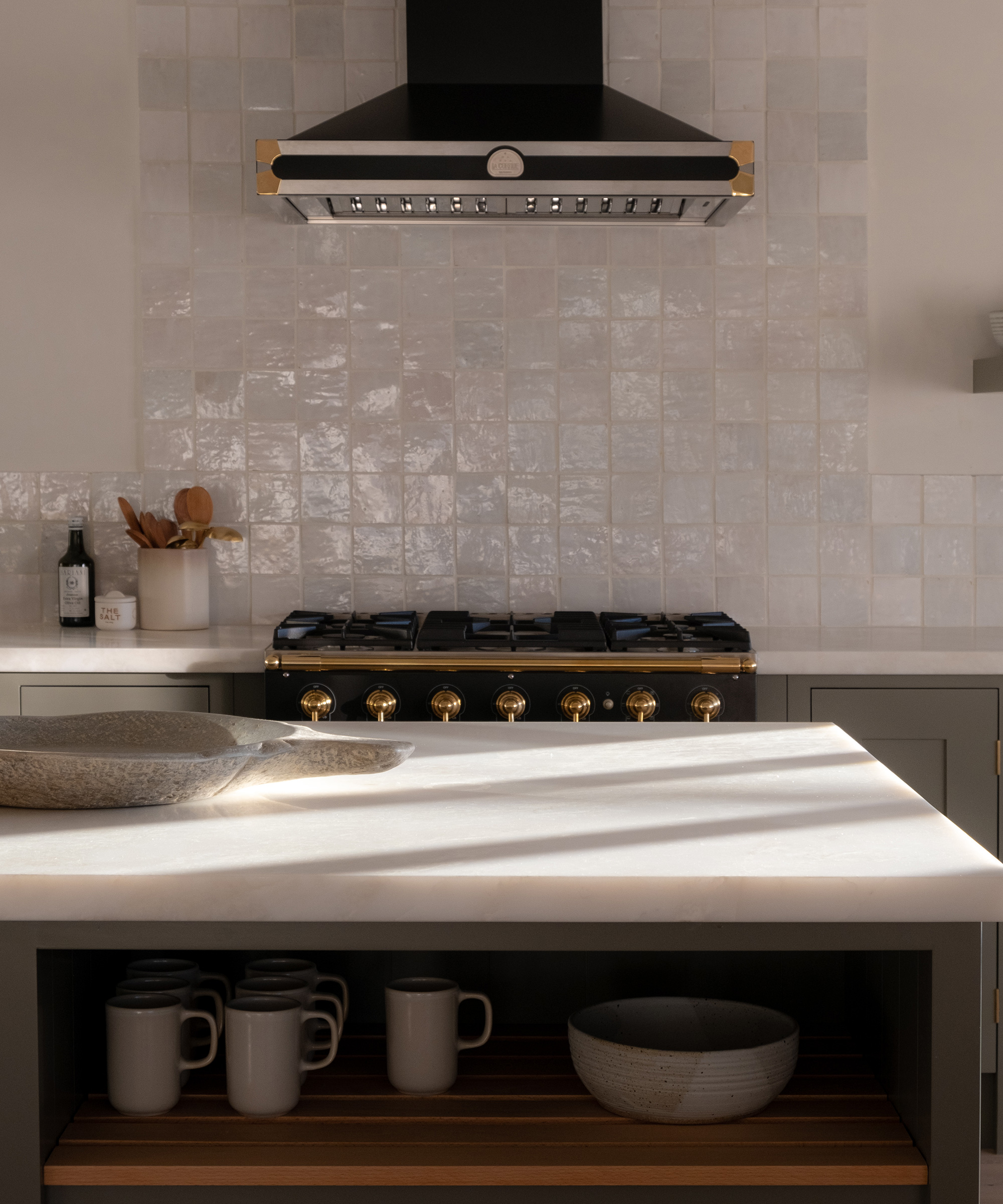
Linnea Schooley: Of course, hardware is made for function and operation, but it can also be some of the most beautiful elements of a room. Beautiful metalware can really make a statement and pull a space together when layered properly.
Rip & Tan: Are there any general rules when it comes to choosing metals and finishes?
Linnea Schooley: In general, I love finishes that have a patina to them already or will patina well over time. Patina gives dimension and adds a softness that makes it more versatile and easier to mix.
Rip & Tan: Anything to keep in mind when sourcing doorknobs and other elements that work across an entire home? What are good metals to opt for that will work well over time?
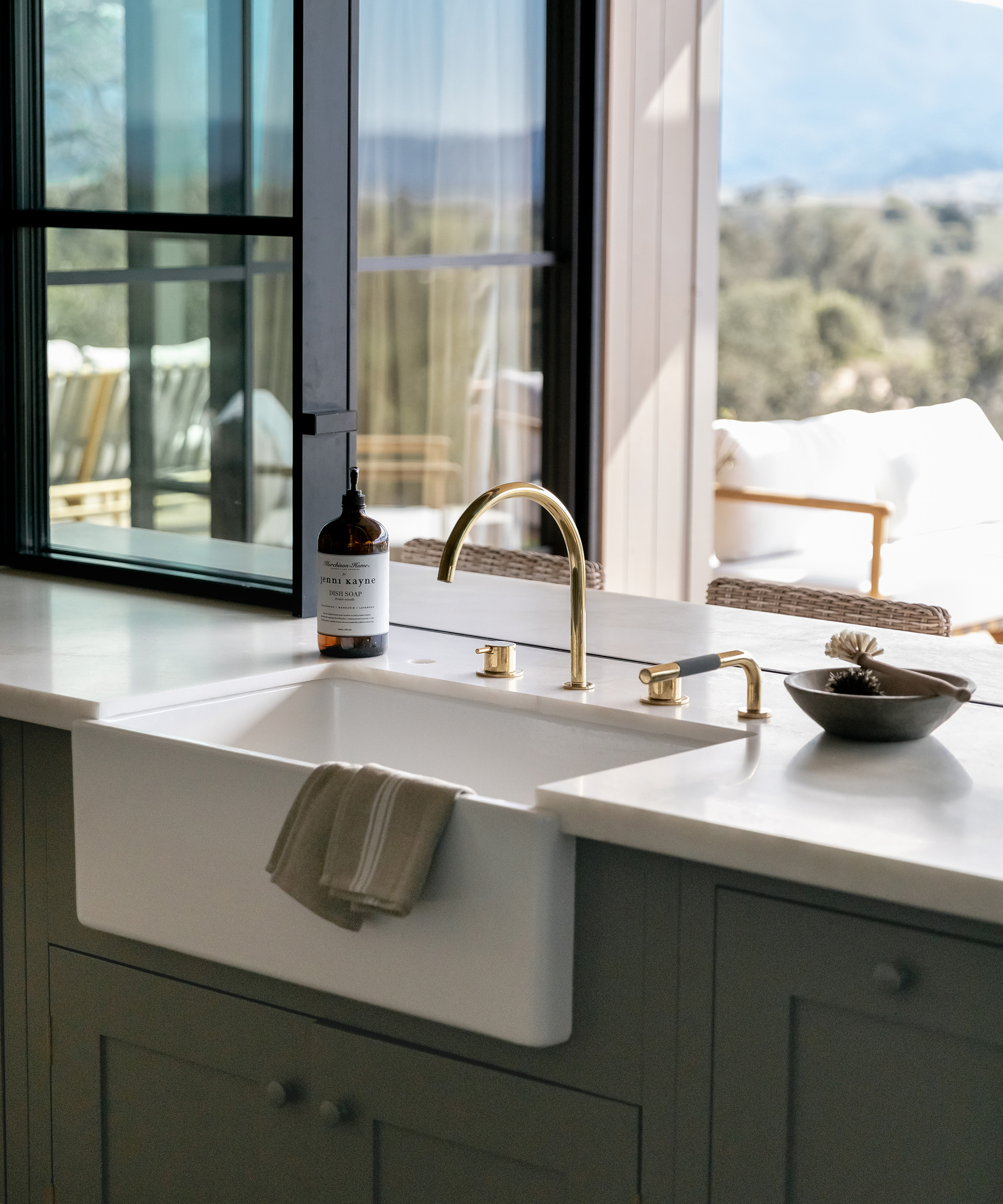
Linnea Schooley: I love metals that patina beautifully over time such as unlacquered brass, but that isn’t for everyone. If you want a finish that will look pretty much the same from the time you get it to years later, I would go with oil-rubbed bronze or antique brass.
Rip & Tan: What are a few of your favorite sources for hardware?
Linnea Schooley: Sun Valley Bronze is my all-time favorite but runs a bit pricey. For some more affordable options, Horton Brasses and Rejuvenation are great!
Rip & Tan: What are some of your favorite metals to use in a space?
Linnea Schooley: My favorites are oil-rubbed bronze, unlacquered brass, antique brass, and polished nickel.
Rip & Tan: Any good pairings you like to see with finishes and hardware?
Linnea Schooley: I prefer to stay away from super high contrast when working with finishes. So if you have a dark wood or paint color, I wouldn’t use a very bright finish.
Rip & Tan: Do you have an opinion on mixing metals and finishes? How can one do this without it looking out of place?
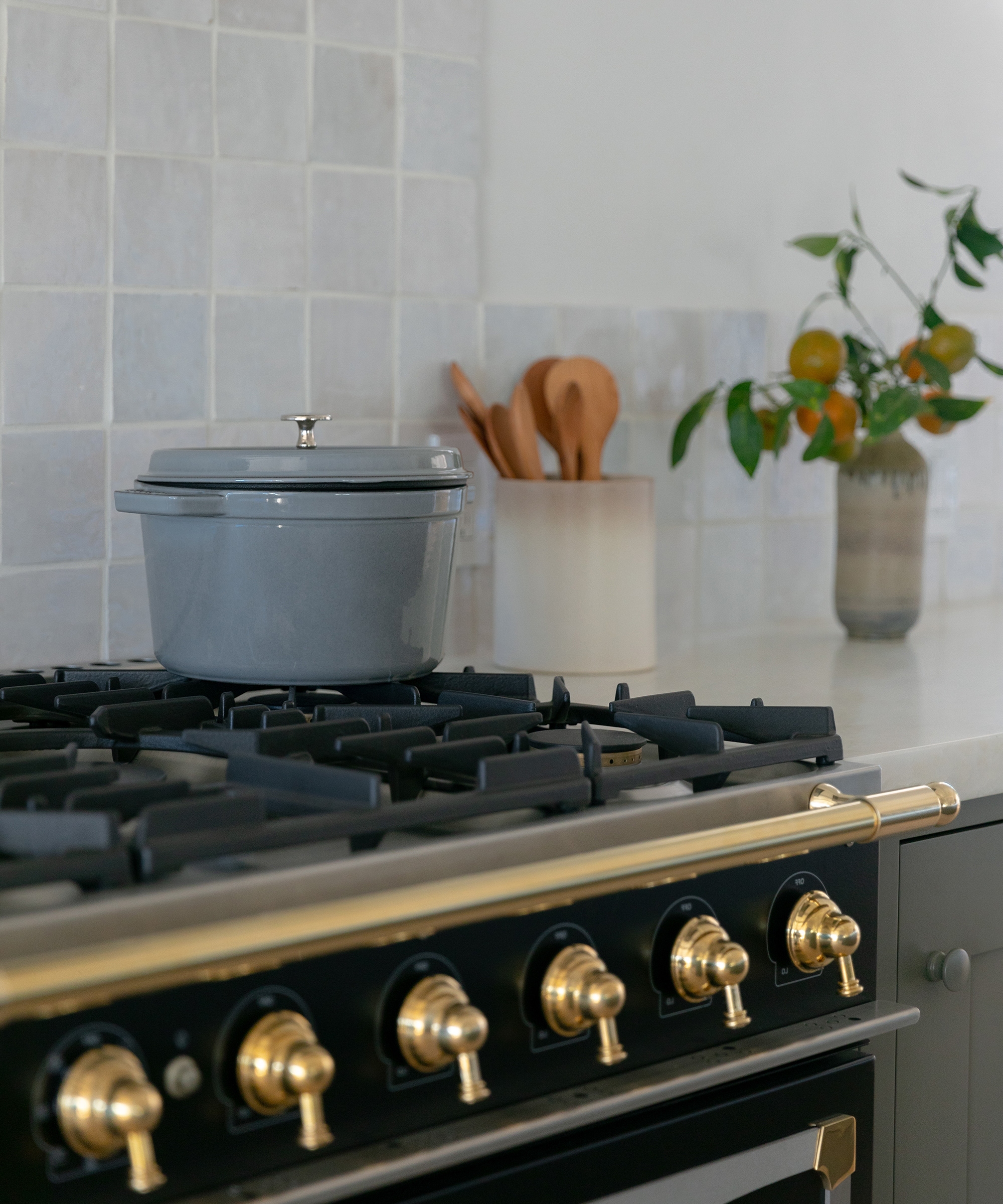
Linnea Schooley: I would stay away from mixing harsher, high-contrast finishes, such as a matte black and shiny chrome or brass. Instead, try oil-rubbed bronze and nickel or antique brass. It will give you a softer, more lived-in look.
Rip & Tan: Are there any easy hardware updates one can make to upgrade their space?
Linnea Schooley: Definitely! Hardware is often something relatively easy to switch out in your space and can make a big impact. Cabinetry hardware especially can make a kitchen or bathroom feel really dated or cheap—switching it out for something more elevated will really upgrade your space.
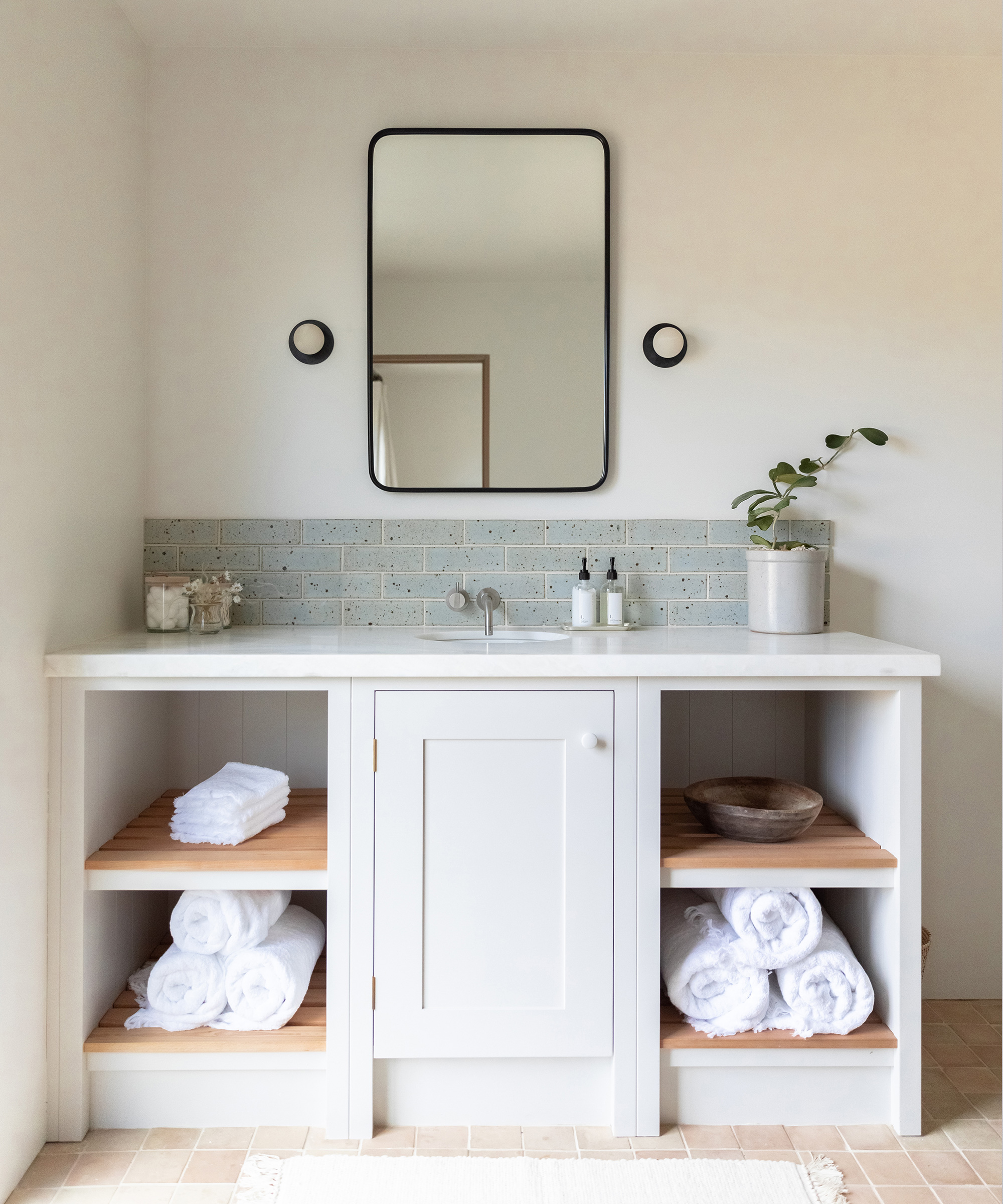
"Think about all the finishes in the room when you’re making finish selections (the lighting, cabinetry hardware, plumbing, and so on. I want everything to be cohesive, but not match perfectly."
Rip & Tan: If someone has a neutral space, which metal should they choose?
Linnea Schooley: If you have a neutral space, I would stick with hardware that is classic in both its finish and shape. I wouldn’t go with anything too colorful unless that was the vibe of the whole space and you’re just really going for it!
Rip & Tan: How should location and the way you live influence your hardware decision?
Linnea Schooley: I don’t think location should influence your hardware decisions as much as the style of your home. I always want hardware to be authentic to the space it’s occupying.
Rip & Tan: You mention how you don’t necessarily want all metal to match in a room—what are some ways to mix it up so a room feels organic?
Linnea Schooley: In a kitchen, for example, you could use oil-rubbed bronze cabinetry hardware but go for unlacquered brass for your faucet to make that a real focal point and statement in your kitchen. I personally love mixing metals! However, it can be a little tricky because finishes can vary from vendor to vendor. I would recommend ordering samples of each metal to make sure they don’t clash. But if you want to be on the safe side, you can stick with all one finish.
Rip & Tan: Any final advice for those sourcing hardware?
Linnea Schooley: Think about all the finishes in the room when you’re making finish selections (the lighting, cabinetry hardware, plumbing, and so on. I want everything to be cohesive, but not match perfectly. If all the metal in a room matches exactly it can look too one-dimensional and contrived.
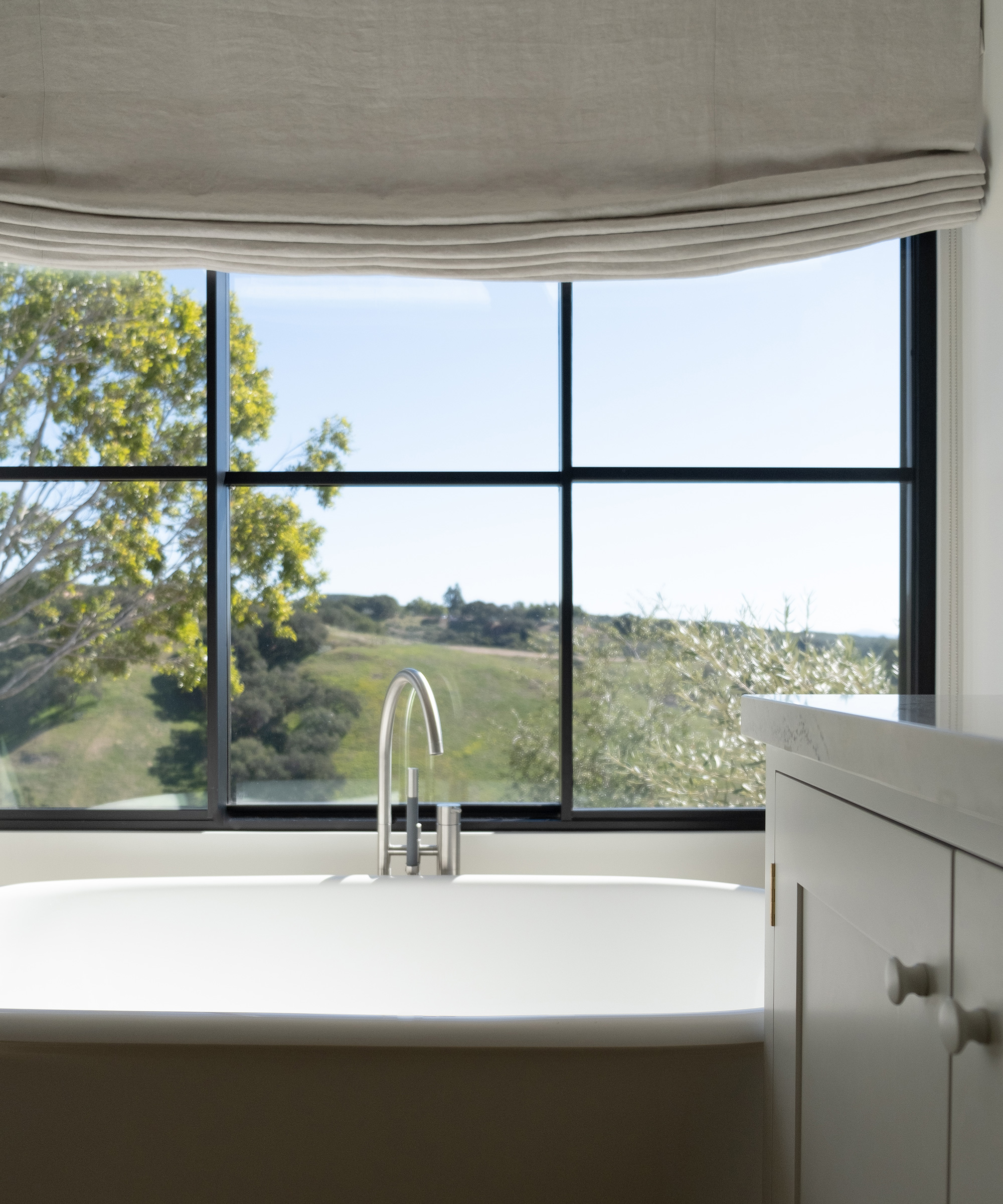
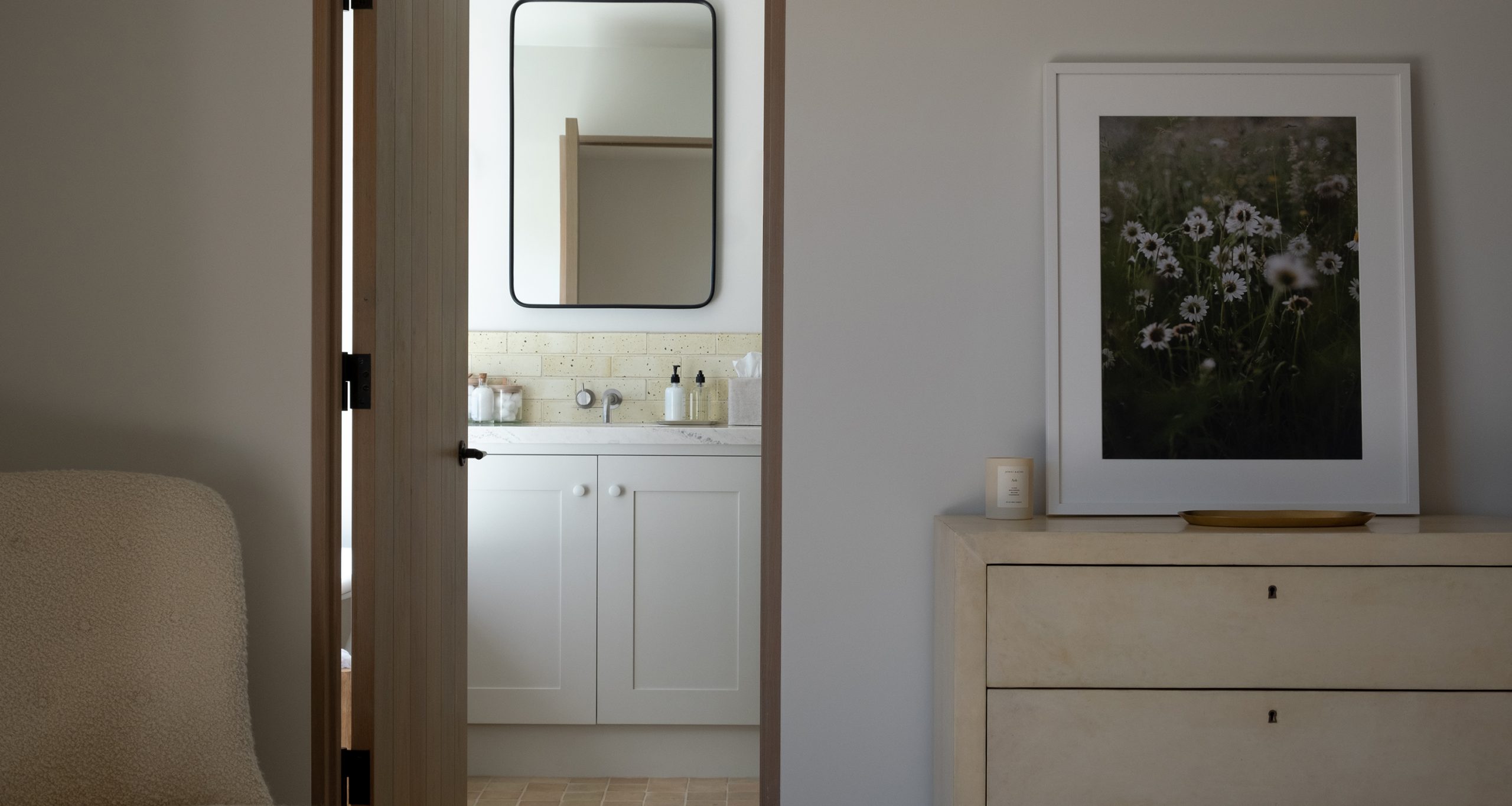
Photos by Amanda Sanford Angi Welsch and Olivia Pierce