


Inside a Midcentury London Home Reimagined by Studio Hagen Hall
Translation missing: en.blogs.article.author_on_date_html
Living
Inside a Midcentury London Home Reimagined by Studio Hagen Hall
July 08, 2025
What makes a midcentury home feel truly timeless? For architect Louis Hagen Hall, founding director of Studio Hagen Hall, it’s about connecting the past to the present. By carefully preserving the home’s original charm and layering in thoughtful, modern updates, the team struck a balance that feels fresh—and never forced. The result is a space that wraps you in warmth, honors its roots, and works perfectly for everyday living.
Inside a Midcentury London Home Reimagined by Studio Hagen Hall
Rip & Tan: What was your process for this project? Did it differ in any way from your typical approach?
Louis Hagen Hall: As with all of our projects, our general approach is all about researching the context, history, and materiality of a building or site. This provides us with a unique set of insights and a specific methodology for each individual project, which we then integrate into our brief building process with the client.
We always take a rigorous approach to space planning before moving on to materiality and detailing. Joinery design is a big part of what we do, and we treat it as an integral part of interior architecture.
Rip & Tan: How did you balance preserving the original midcentury details with adding modern touches?
Louis Hagen Hall: From the very outset of the project, the goal was always to preserve and work with the original building fabric, adding to it in a way that is sensitive to the Levy, Benjamin & Partners’ modernist sensibilities.
We selected simple materials that are with the period of the original house, but detailed in a way that is contemporary, even timeless. While there is a subtle distinction between old and new, everything sits together harmoniously—there is a deliberate dialogue across eras.
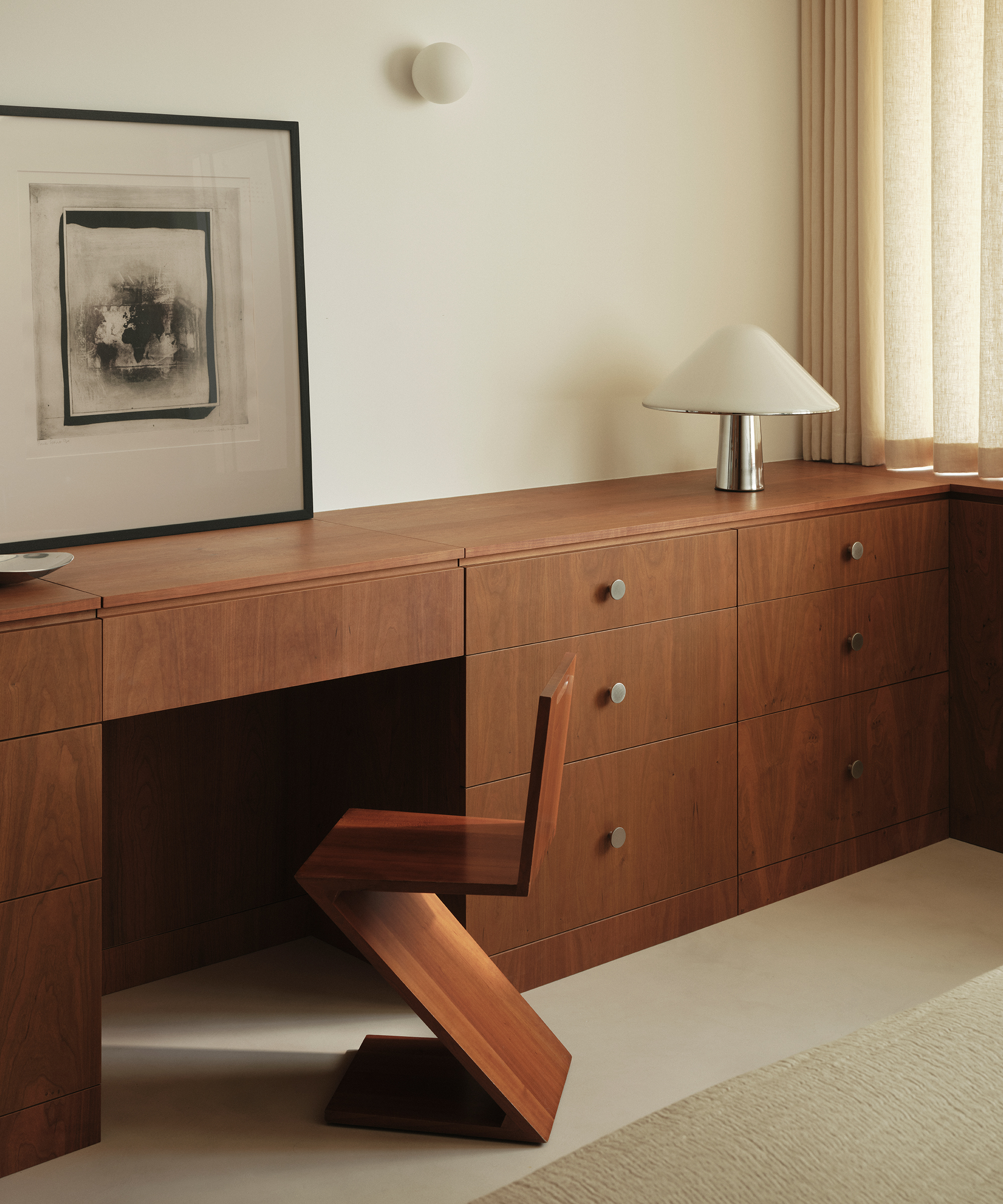
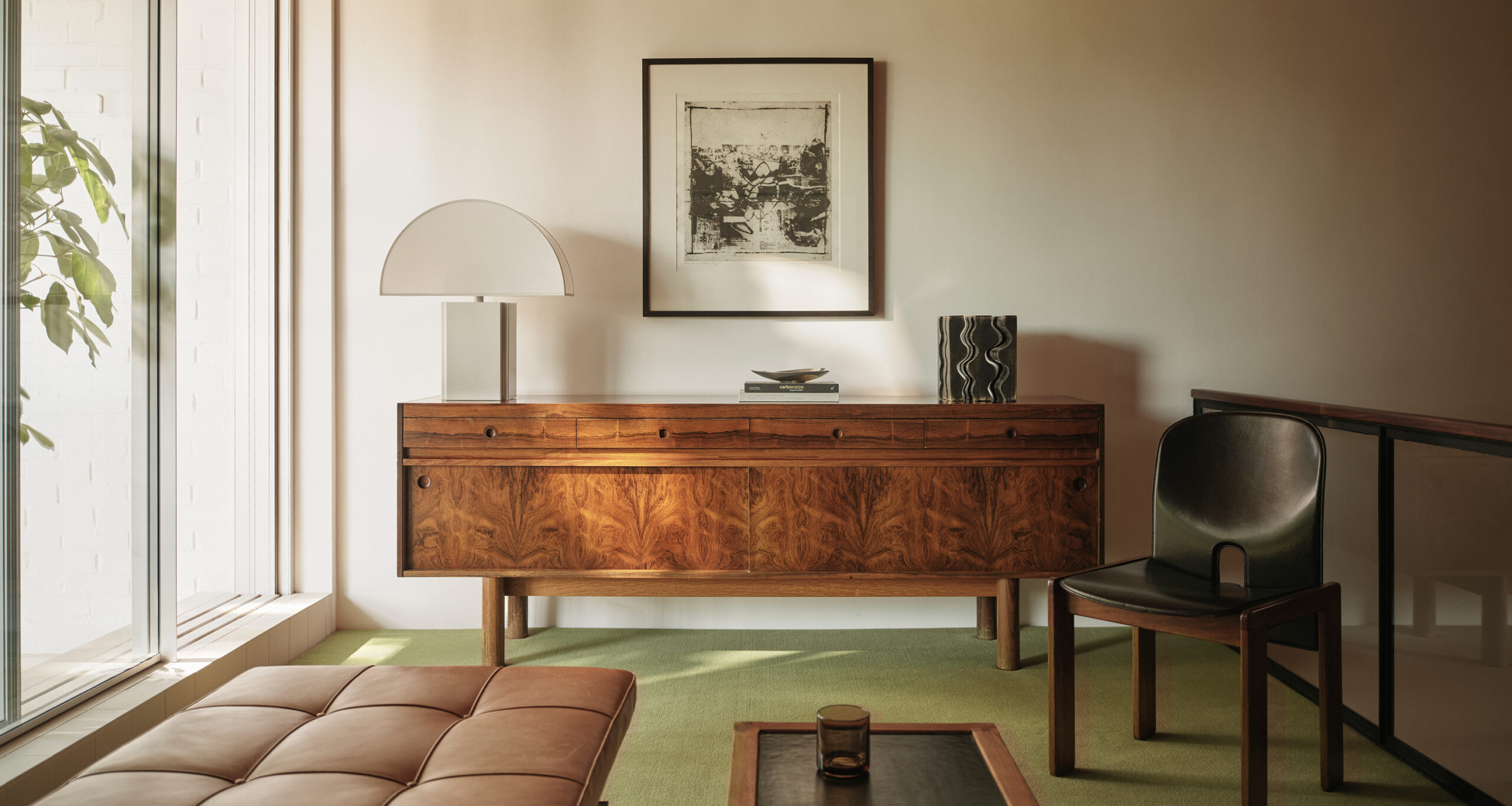
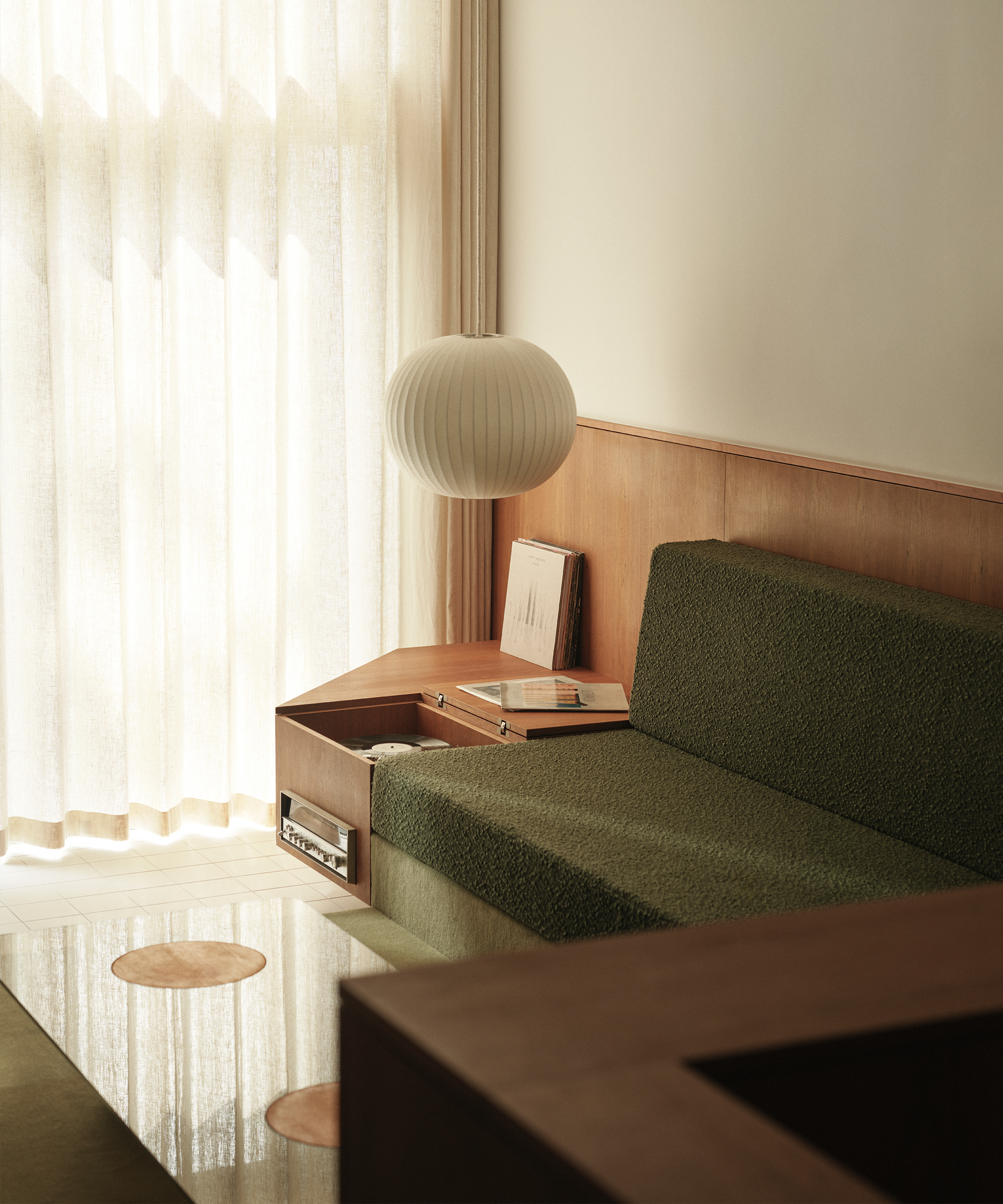
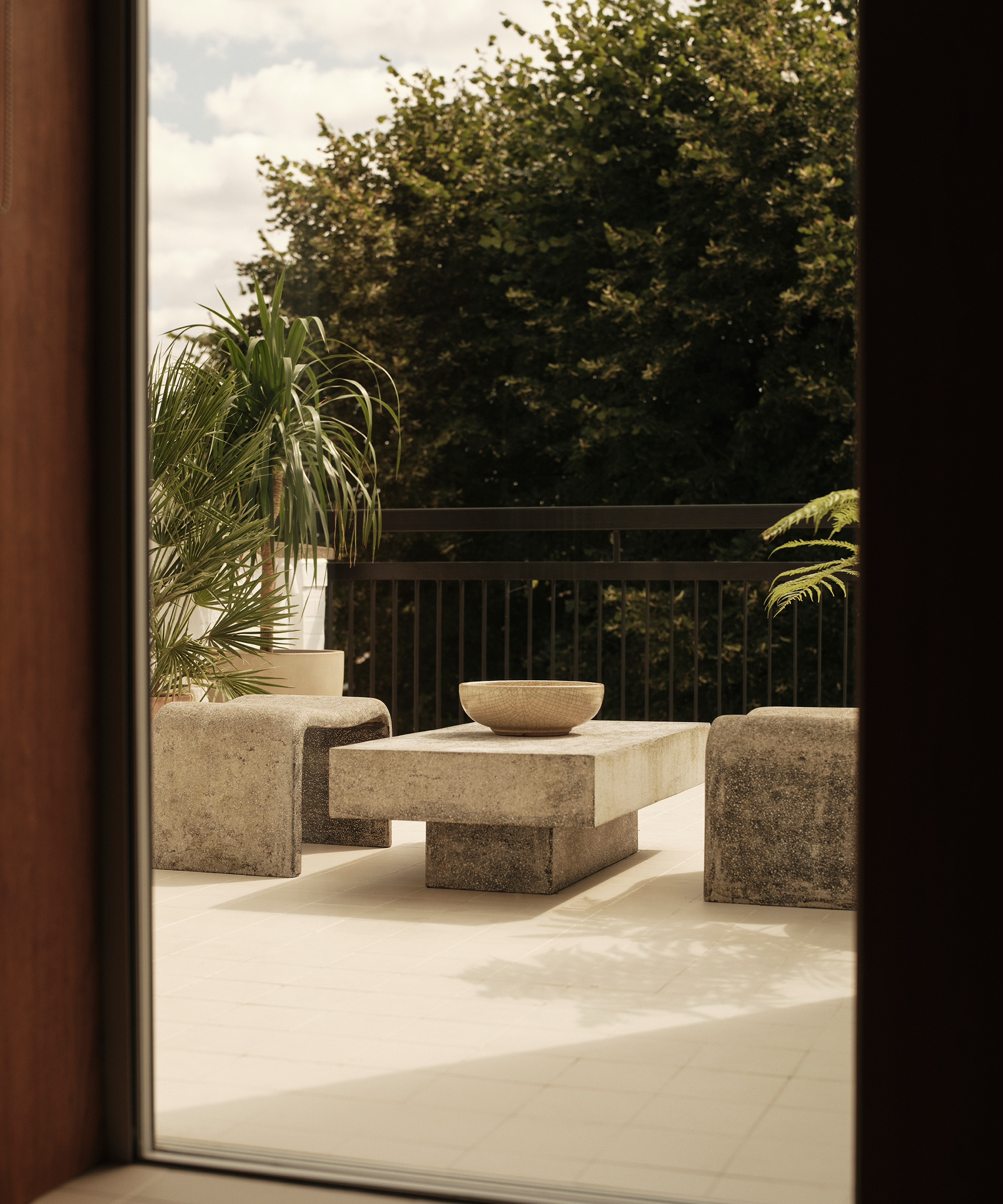
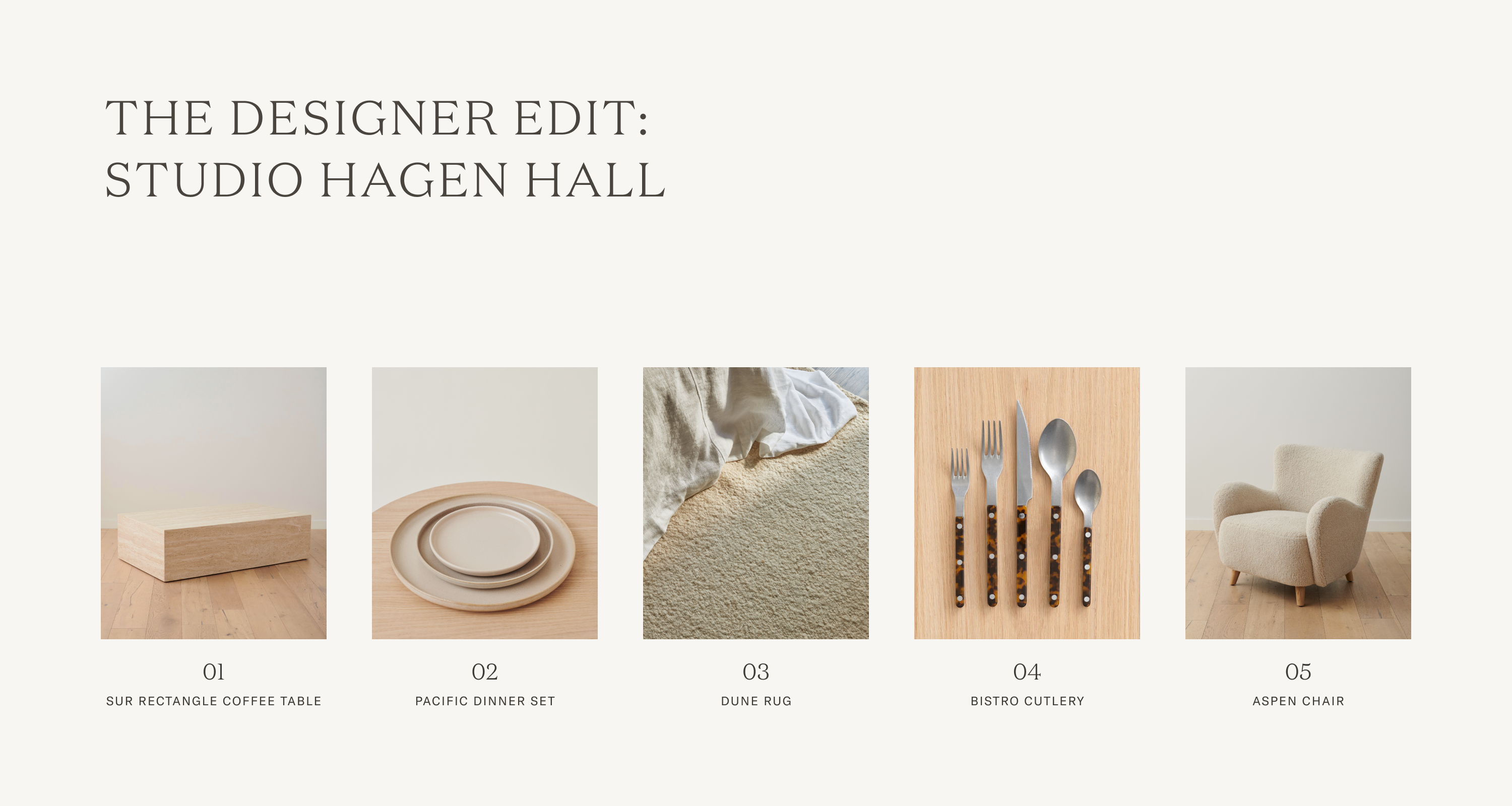
When it came to furniture and lighting fixtures, we used a balance of vintage and new pieces to blend the two time periods together. We also designed and produced our own bespoke furniture pieces, something very characteristic of mid-century modern residential design, such as the built-in sofa and the coffee table.
Rip & Tan: What inspired the preservation and use of mixed woods like Paraná pine and stained cherry veneer?
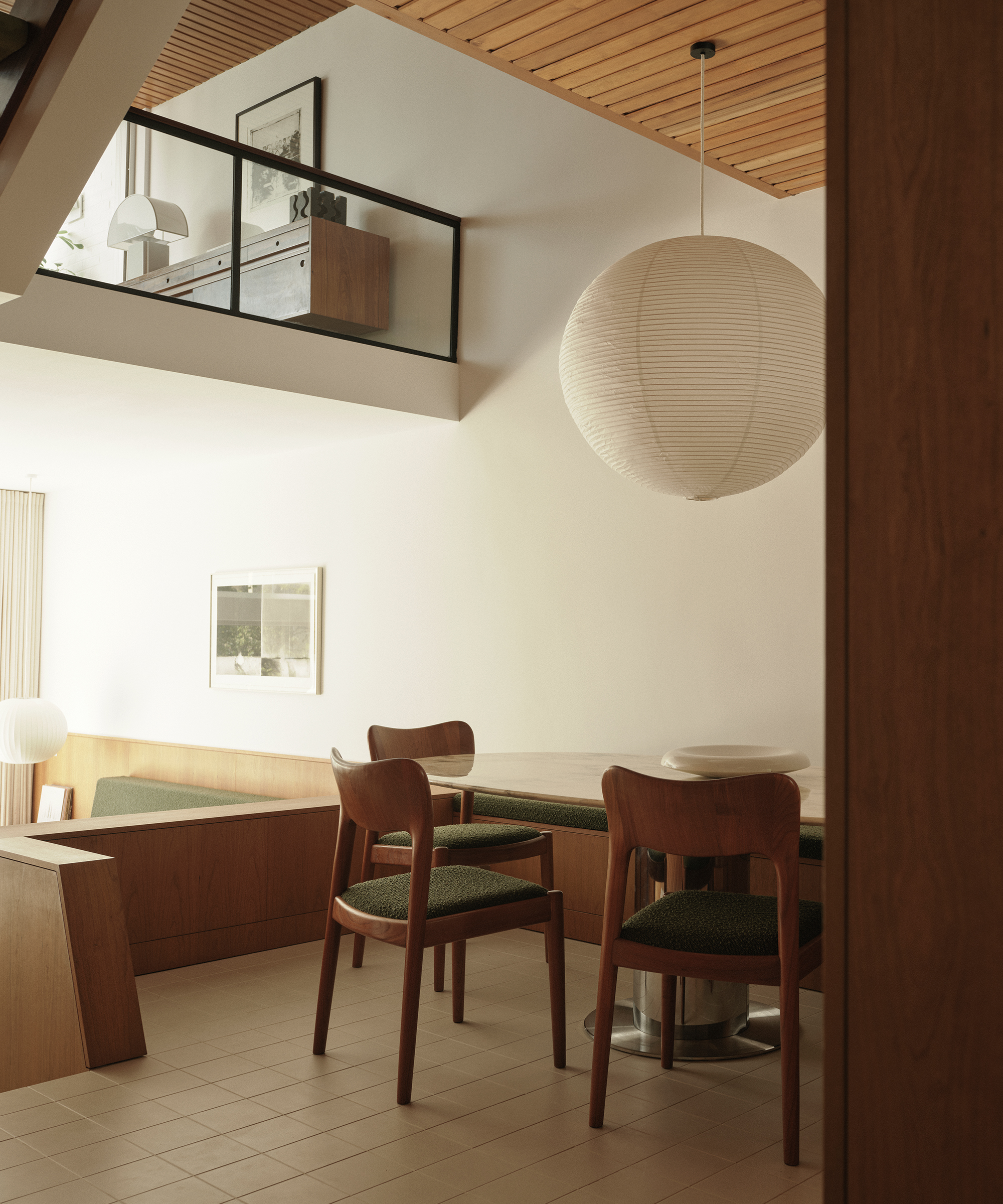
Louis Hagen Hall: The Paraná Pine was one of the few remaining original features of the house—featured on the stair cladding and the ground floor/mezzanine ceilings. Paraná pine is quite rare nowadays (and is an endangered species), so naturally it became our muse for the material choices throughout the project.
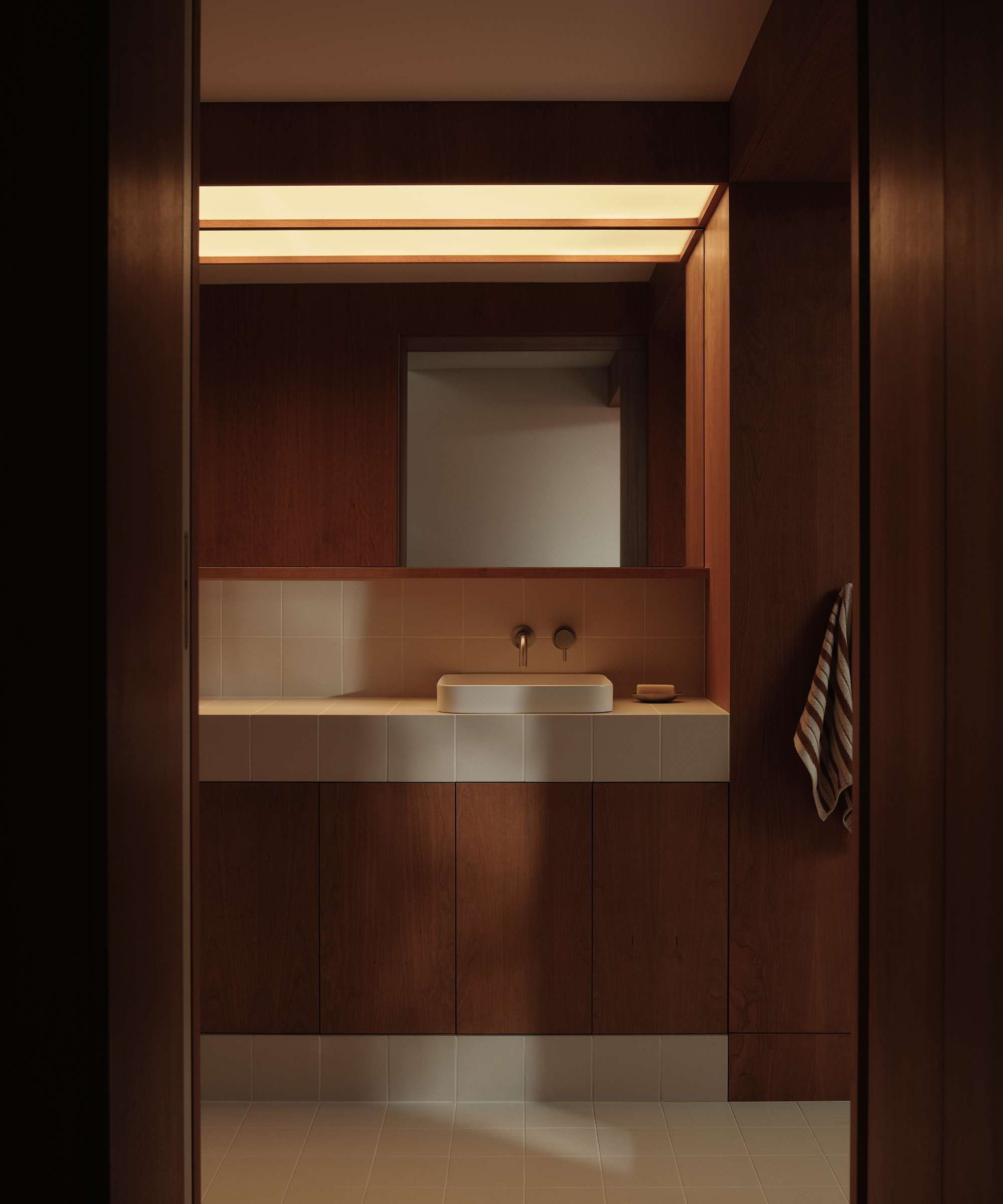
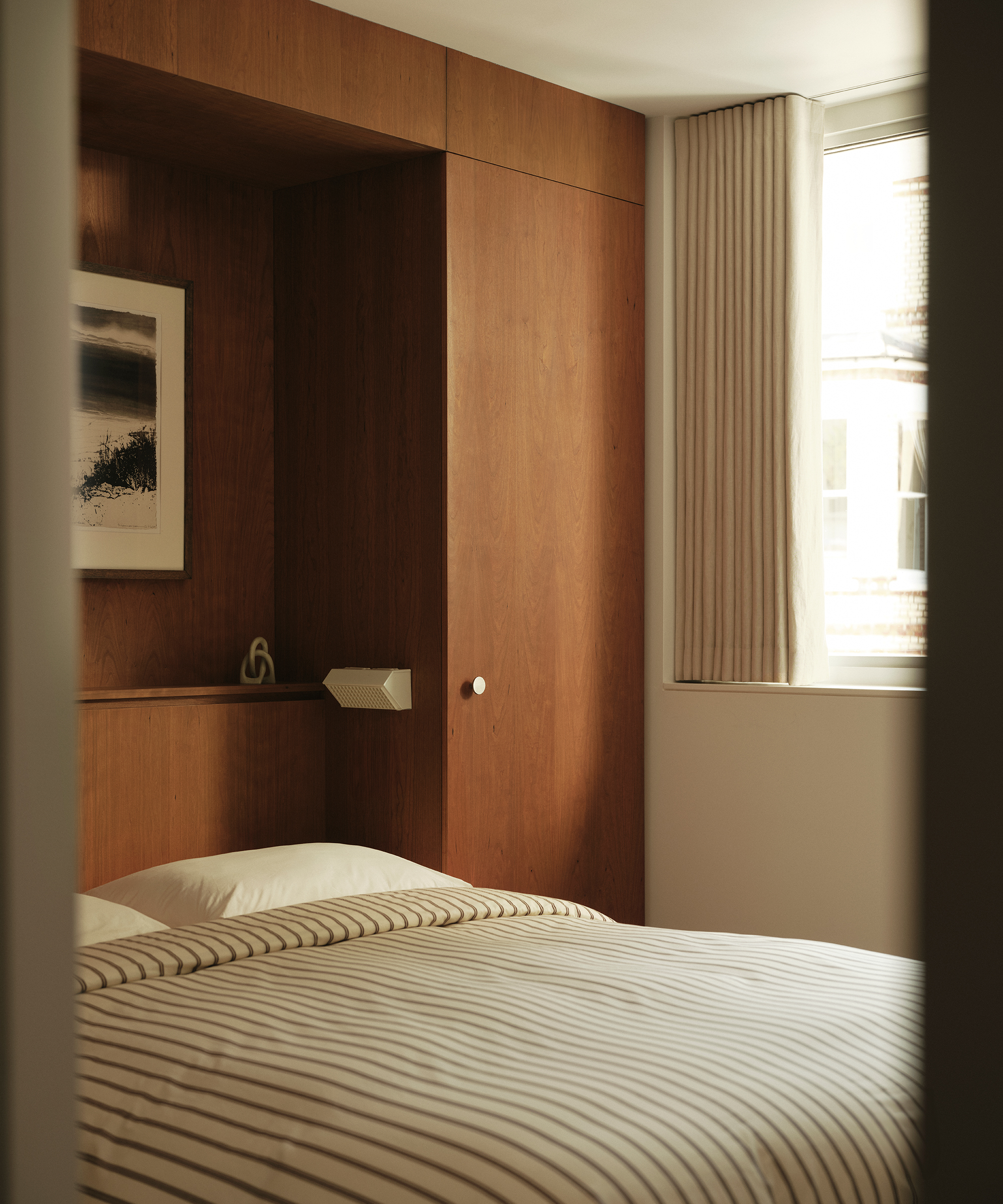
We knew that we wanted to continue the theme of warm, enveloping timber throughout the interiors, and we made the decision to try and match the 55-year patinated Paraná Pine, rather than contrast it. The joiner tested several different timber species and stain combinations, and it turned out that cherry, with its pinkish undertones, was the winner.
Rip & Tan: How did the home’s unique layout influence your decisions on flow within the home?
Louis Hagen Hall: We started playing around with alternative layouts during design development. The more we changed the original layout, the more work we would have to do altering existing building fabric and moving building services. We also saw the original unique layouts worked perfectly as they were.
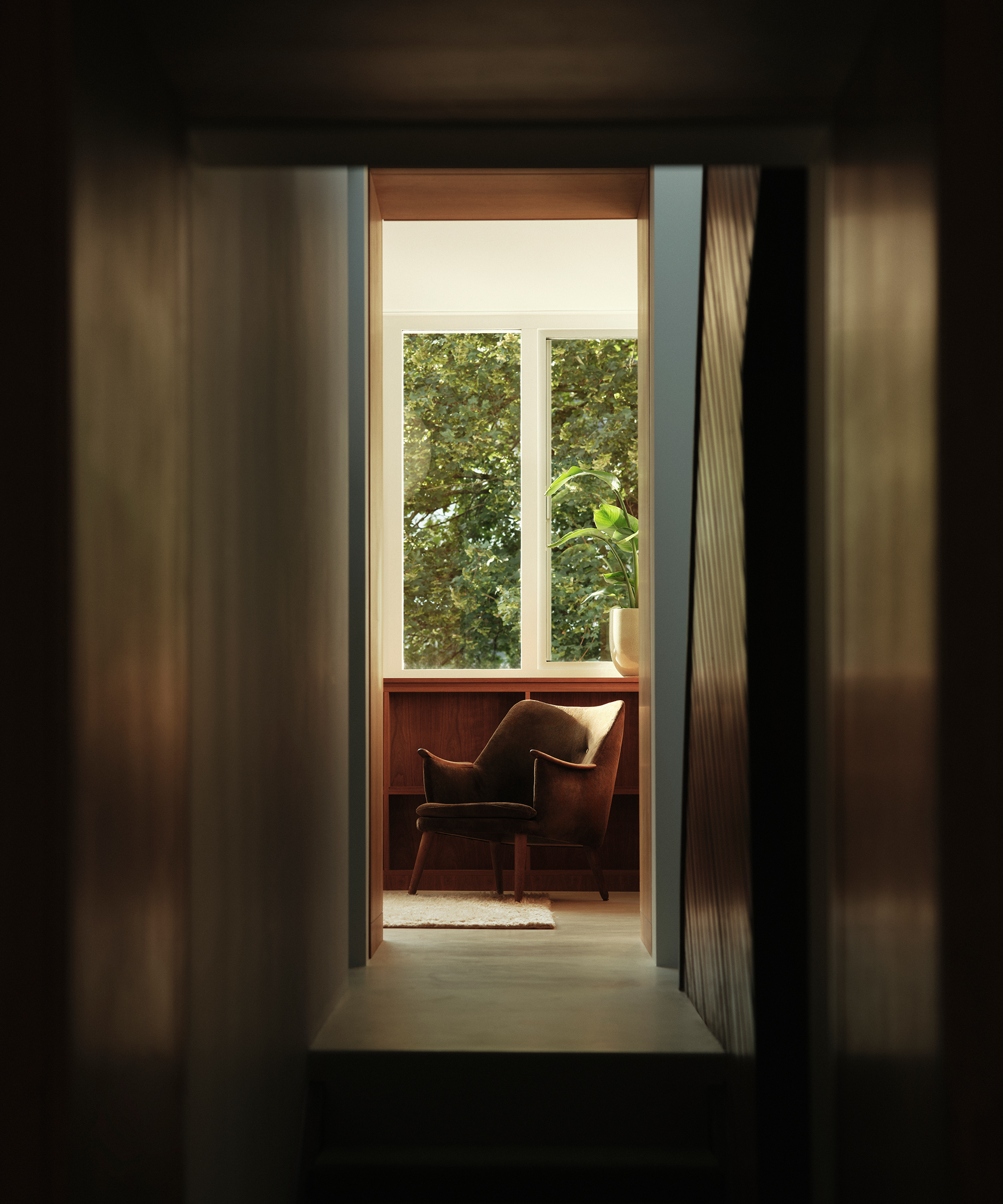
Once we had settled on this approach, we really honed in on working with the existing layouts to enhance the flow through the house—this involved adjusting door positions to improve movement between bedrooms and bathrooms, and realigning doorways along the stairwell to create clear sightlines from the front to the back of the house.
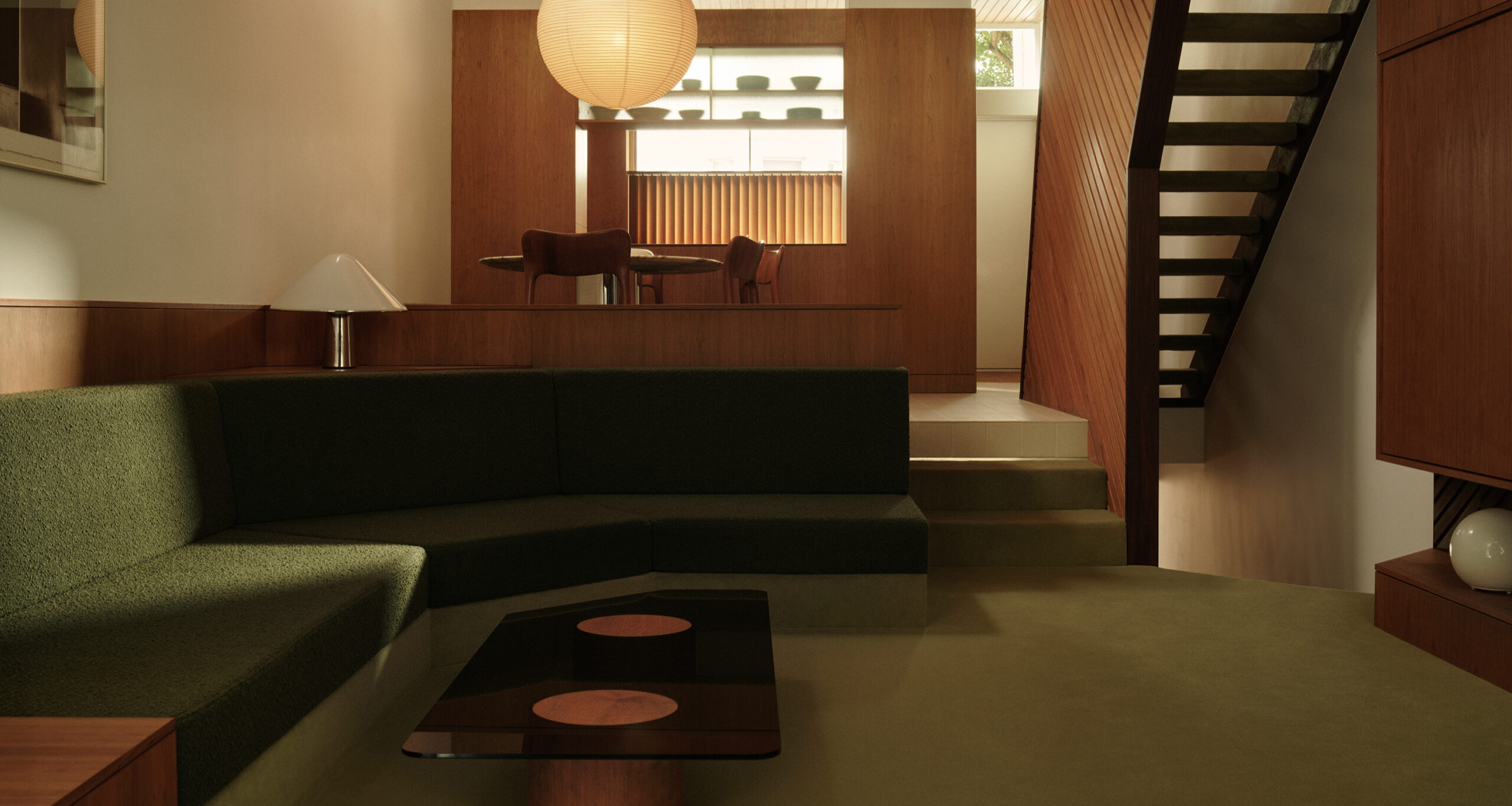
"While there is a subtle distinction between old and new, everything sits together harmoniously—there is a deliberate dialogue across eras."
Rip & Tan: Were there any particular challenges you encountered during the renovation?
Louis Hagen Hall: As with any building that hasn’t been touched since the 1960s, there are inherent issues that are inevitably discovered during the strip-out phase. We discovered there was little to no insulation anywhere, especially around the concrete structural upstands, soffits, and flat roof—this required some bespoke technical detailing to ensure the building performed to modern thermal standards.
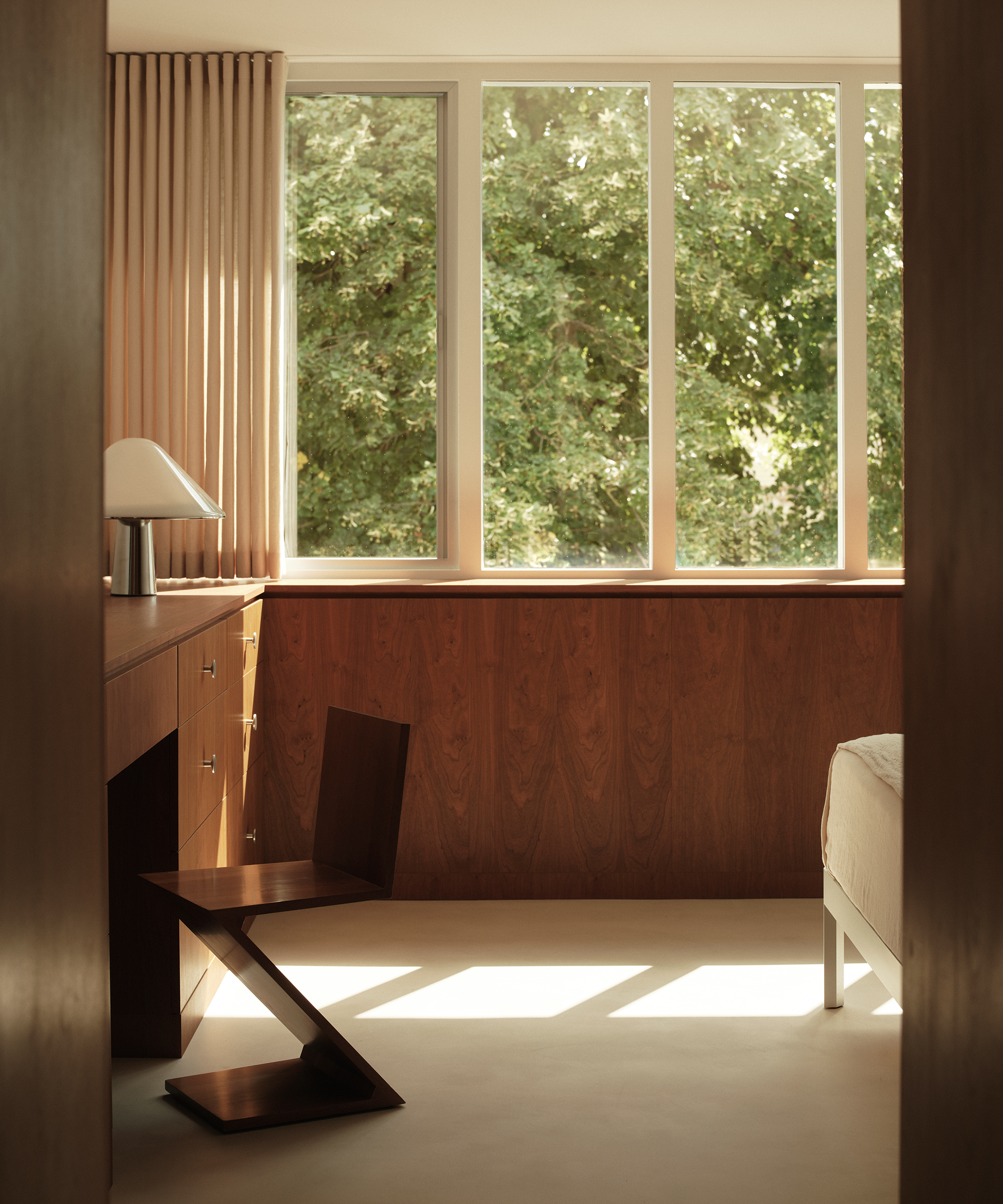
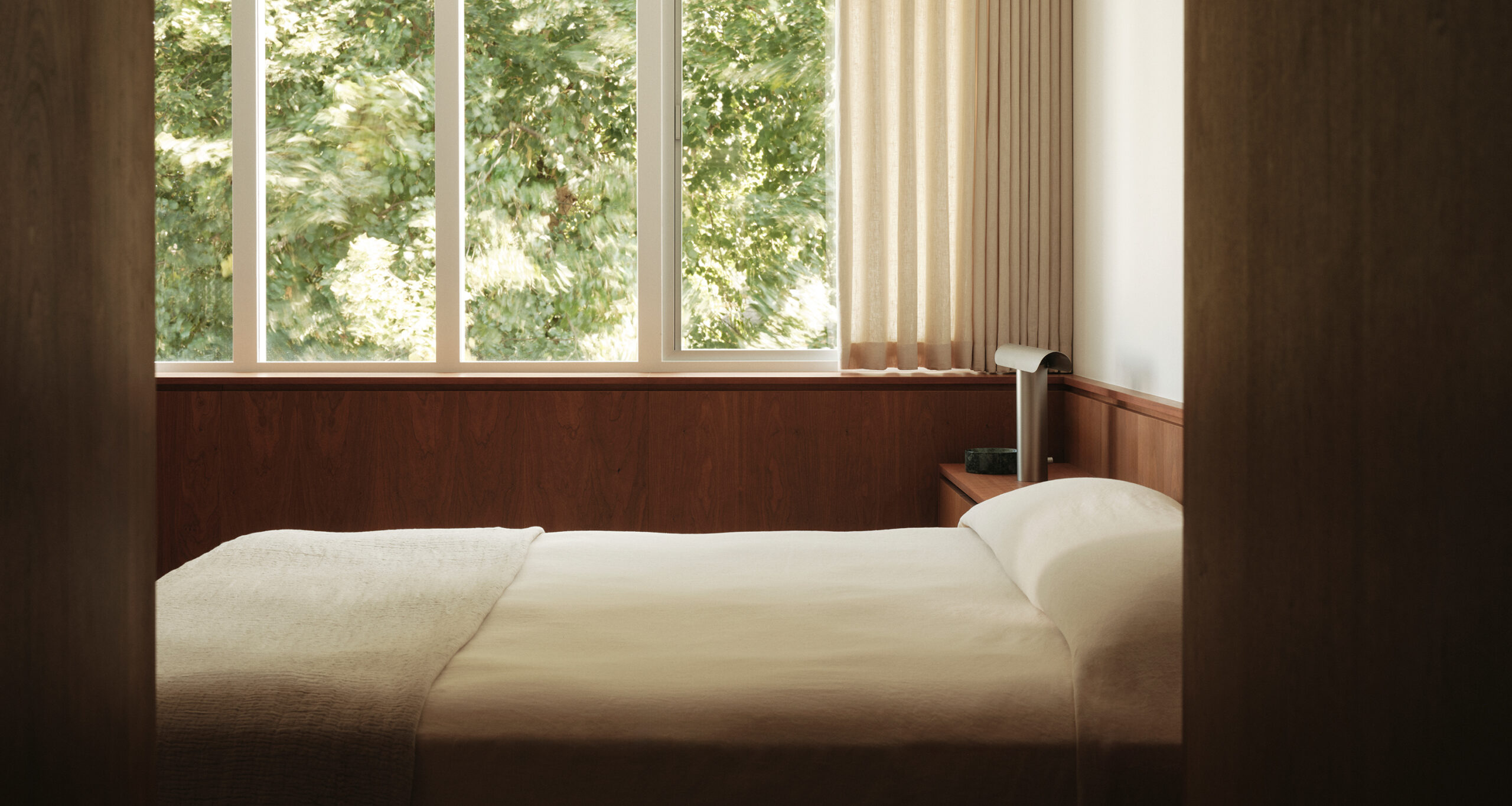
Design-wise, the main challenge was getting storage into bedrooms when you have a modernist house with ribbon windows. Previously, there were wardrobes running perpendicular to the windows, which looked clunky and blocked light—we resolved this by rotating all the storage 90 degrees.
Rip & Tan: What advice do you have for those looking to renovate a retro space?
Louis Hagen Hall: The best advice I can give is to aim for stewardship, rather than preservation or mimicry. Find ways to compliment the space, rather than lean into it too much. Essentially, don’t try and make it retro—you’ll be in danger of creating a pastiche.
Rip & Tan: What was your favorite aspect of working on this project?
Louis Hagen Hall: Modernist, mid-century design is our favourite design era—so in that sense alone, it was a privilege to work on a house with this kind of pedigree. We love giving these out-dated homes a new lease of life, preserving them for generations to come. Lastly, we were also incredibly lucky to have a client we felt so in tune with, as well as builders and joiners who were determined to execute every detail to perfection.
Photos by Felix Speller