


Natural Remedies: Bee Pollen
Translation missing: en.blogs.article.author_on_date_html
Wellness
Natural Remedies: Bee Pollen
February 16, 2016
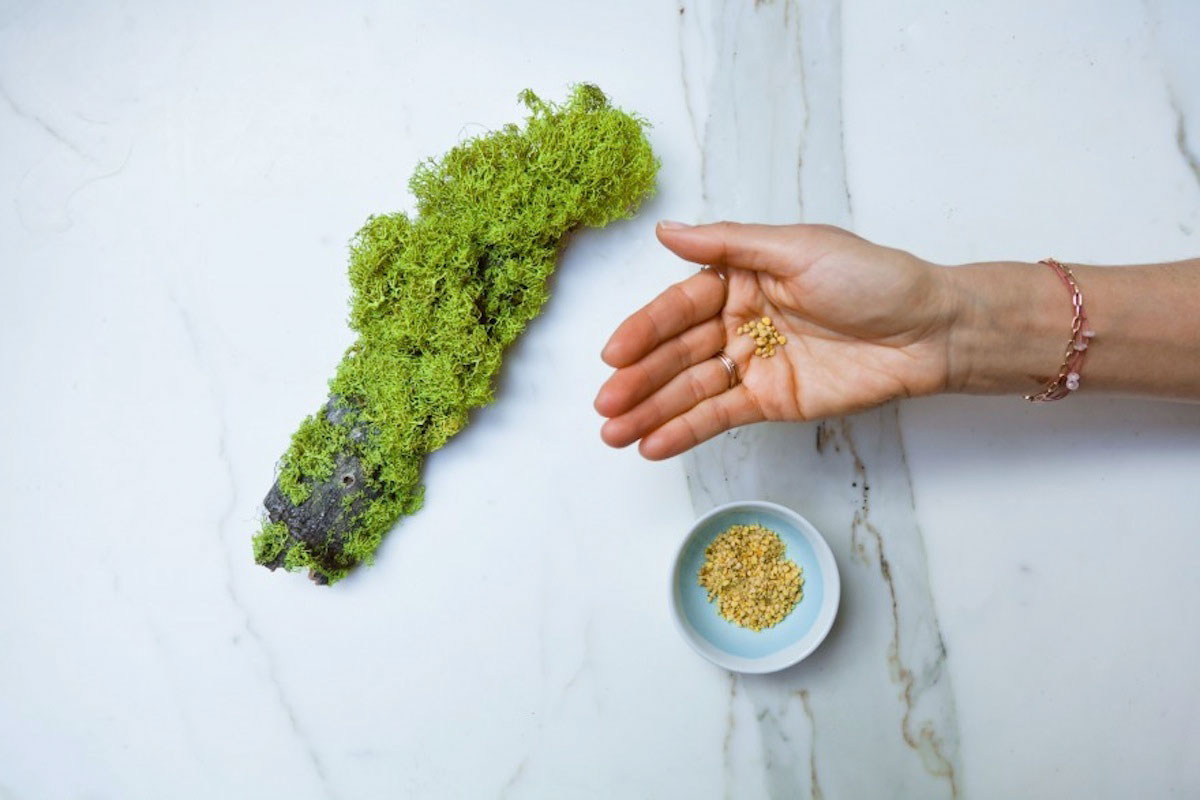
A while back, my friend Shiva wrote a great post on all of the benefits of bee pollen, and I was inspired to learn more. Here are some of the things that I have found:
The Properties & Potential Benefits
Considered one of nature’s superfoods, bee pollen is the male seed of flowers, and the food of the young bee. Comprised, in large part, of easily digestible proteins, it also contains a multitude of essential nutrients, making it an ideal supplement for overall health.
Bee pollen’s believed benefits are many, including everything from enhanced energy, to respiratory and digestive health, to allergy relief, to a boost in one’s immune system, and the soothing of inflamed or irritated skin.
How to Use
Before taking a full dose of pollen, it is very important to test for a rare but possible extreme allergic reaction. Begin by ingesting one pellet to confirm that no allergies exist. Similarly, because each granule is packed with active enzymes, elements and nutrients, your stomach may not be accustomed to such rich food. If you are using bee pollen for the first time, introduce it into your diet slowly (a granule or two at a time).The optimal dose of pollen varies from person to person, with recommendations ranging from one teaspoon a day for allergy prevention, to upwards of two tablespoons a day for optimal health. Tailor your consumption to your specific needs, and remember to do so slowly.
Also important: make certain to avoid cooking with the granules or adding powdered granules to anything that requires heat, as this will damage the active enzyme and reduce the nutritional value. And, because bee pollen does contain some fats, make sure to refrigerate.
Some great ways to enjoy: powdered into cinnamon, stirred into juices, mixed into dressings, sprinkled onto oatmeal, or added to your tea.
My friend Jed, who also happens to be an urban beekeeper, shared his thoughts on bee pollen and its collection, which are worth taking into account. He noted, “Bee pollen is great for you and allergies but collecting can be very inhumane to the bees. Instead, I prefer the crush and strain method of making honey which allows the pollen to mix freely with the honey.” Be sure to tune in later this week for Jed’s adventures and advice in harvesting one’s own honey. XXJKE