


How Our Interiors Team Styles Every Space
by Camille Ulam on
Living
How Our Interiors Team Styles Every Space
July 23, 2025
Do you ever wonder how designers make every space they touch feel effortlessly polished—and exactly “just right”? From art placement to layering and pillow formulas, styling a space is an art—and our Interiors team is a true master of it. Whether you’re starting from scratch or simply refreshing a room or two, their expert tips will help you create a home that feels layered, personal, and elevated. For their must-know styling tips, keep reading.
How Our Interiors Team Styles Every Space
Rip & Tan: How do you determine the right size rug for a bedroom, living room, or dining room? Any common mistakes people should avoid when choosing a rug size?
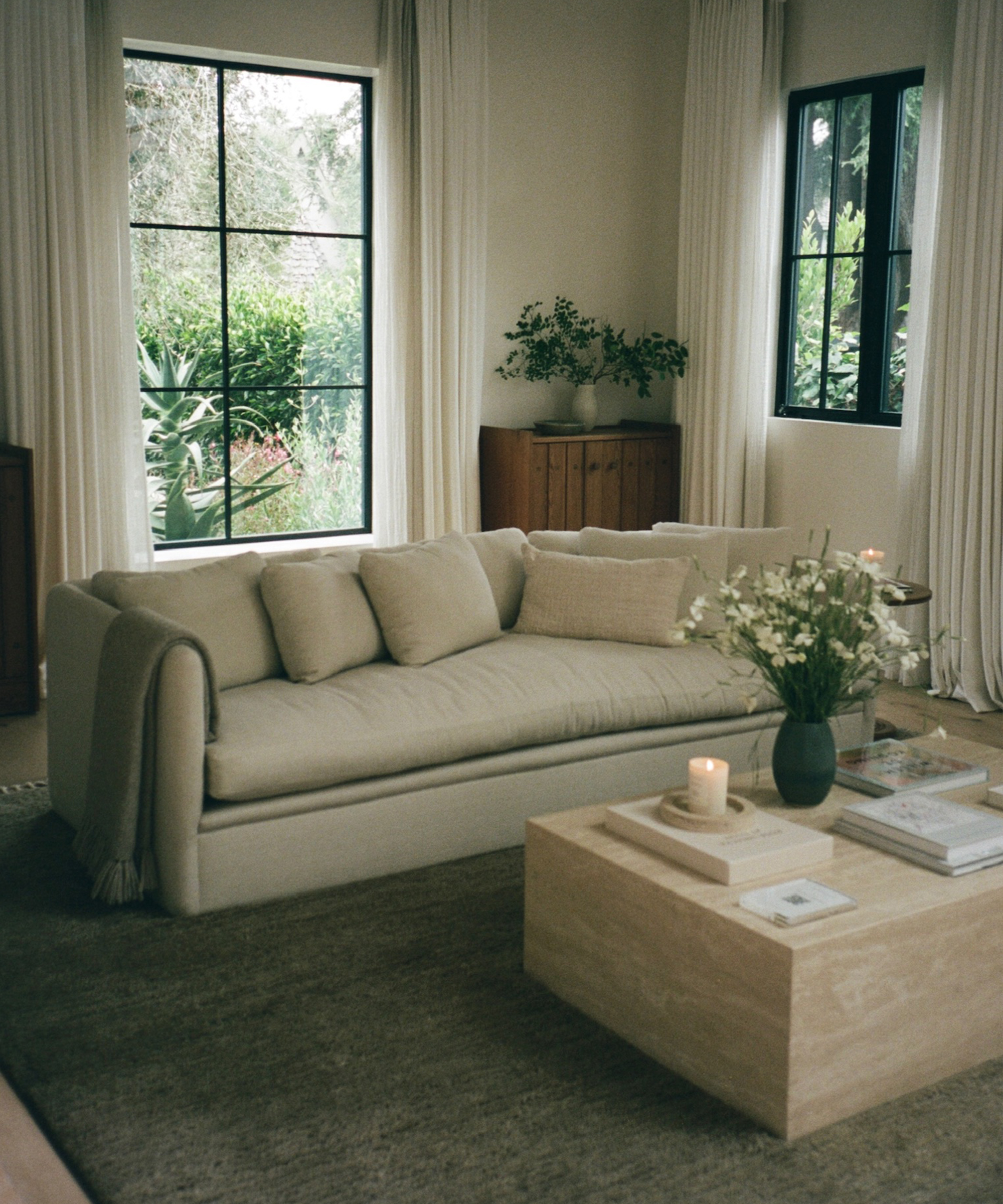
Linnea Schooley: One of the most common mistakes I see is choosing a rug that’s too small for the space. A good rule of thumb is to ensure that either all furniture pieces are completely on the rug or at least the front legs of your sofas and chairs. If you’re in between two sizes, it’s usually safe to take the larger size!
Rip & Tan: What’s your go-to formula for styling pillows on a living room sofa? Bed? Accent chair?
Linnea Schooley: For sofas, we typically aim for asymmetry to create visual interest. Depending on the size of the piece, three to 5 five pillows in a variety of sizes and shapes work well.
For accent chairs, we like to keep it simple—either one small lumbar pillow or none at all.
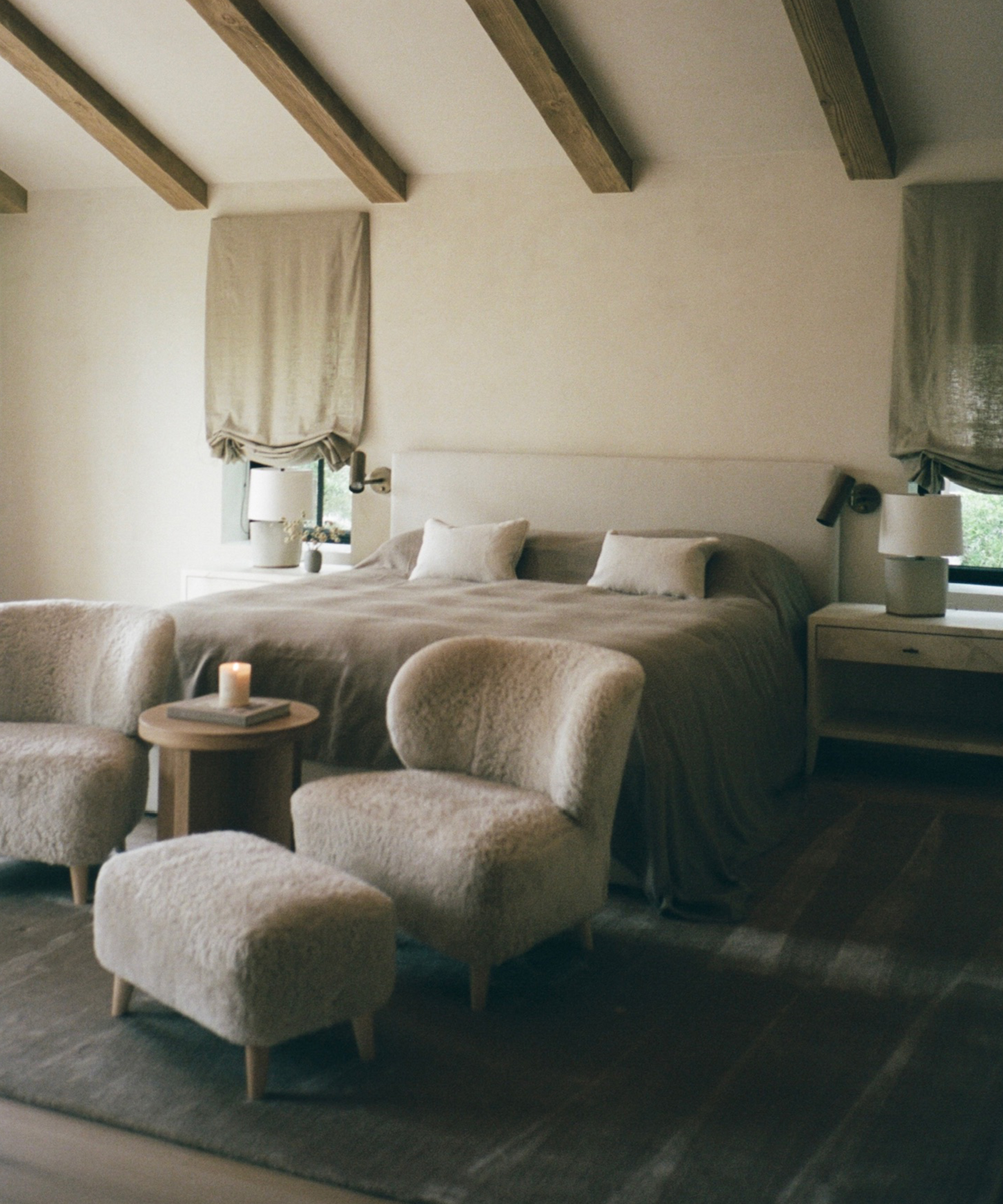
On beds, we have a few go-to combinations: one medium-to-large lumbar, two small lumbars, or three small-to-medium square pillows.
Shop the Story
Rip & Tan: How do you decide between using one large statement piece versus multiple smaller pieces on a wall?
Linnea Schooley: It really depends on the surrounding elements in the space. If the room already has a mix of shapes and visual textures, a single large-scale piece can provide a grounding focal point. In more symmetrical or structured spaces, contrasting with a series of smaller works can help break up those strong lines and create balance.
Rip & Tan: How do you decide how high to hang art above a piece of furniture like a sideboard or sofa?
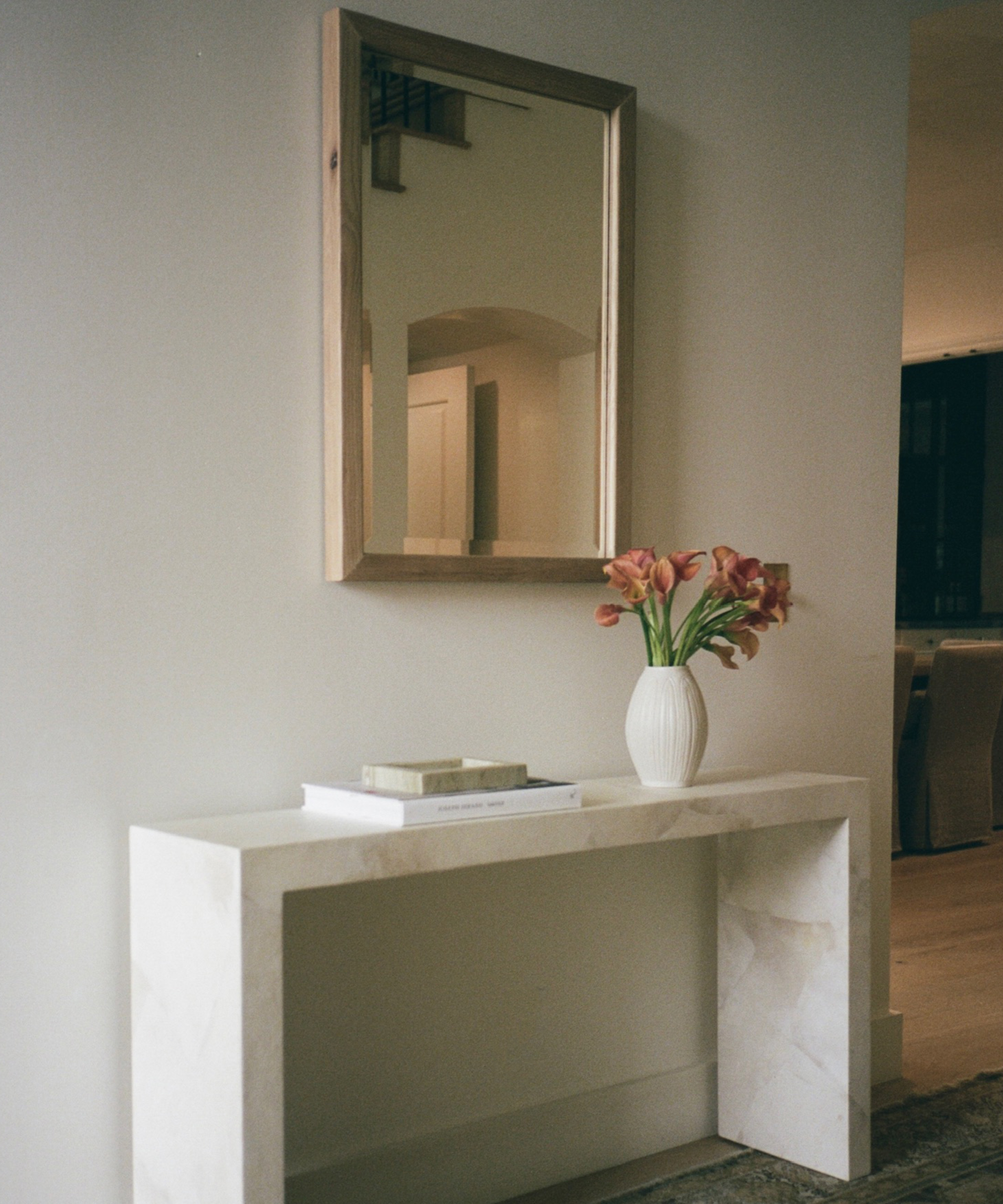
Linnea Schooley: It always depends on the scale and height of the piece, but for larger scale pieces I like around 12” above a sideboard or sofa
It varies depending on the size of the artwork and the furniture, but for larger-scale pieces, I like around 12 inches above a sofa or sideboard.
Rip & Tan: How do you avoid a space feeling too ‘done’ while still keeping it elevated?
Linnea Schooley: Mixing finishes and textures is key to avoiding a space that falls flat, and incorporating plenty of found and personal items to make your space feel lived in and enjoyed!
Rip & Tan: What’s your approach with layering—where do you begin, and how do you know when to stop?
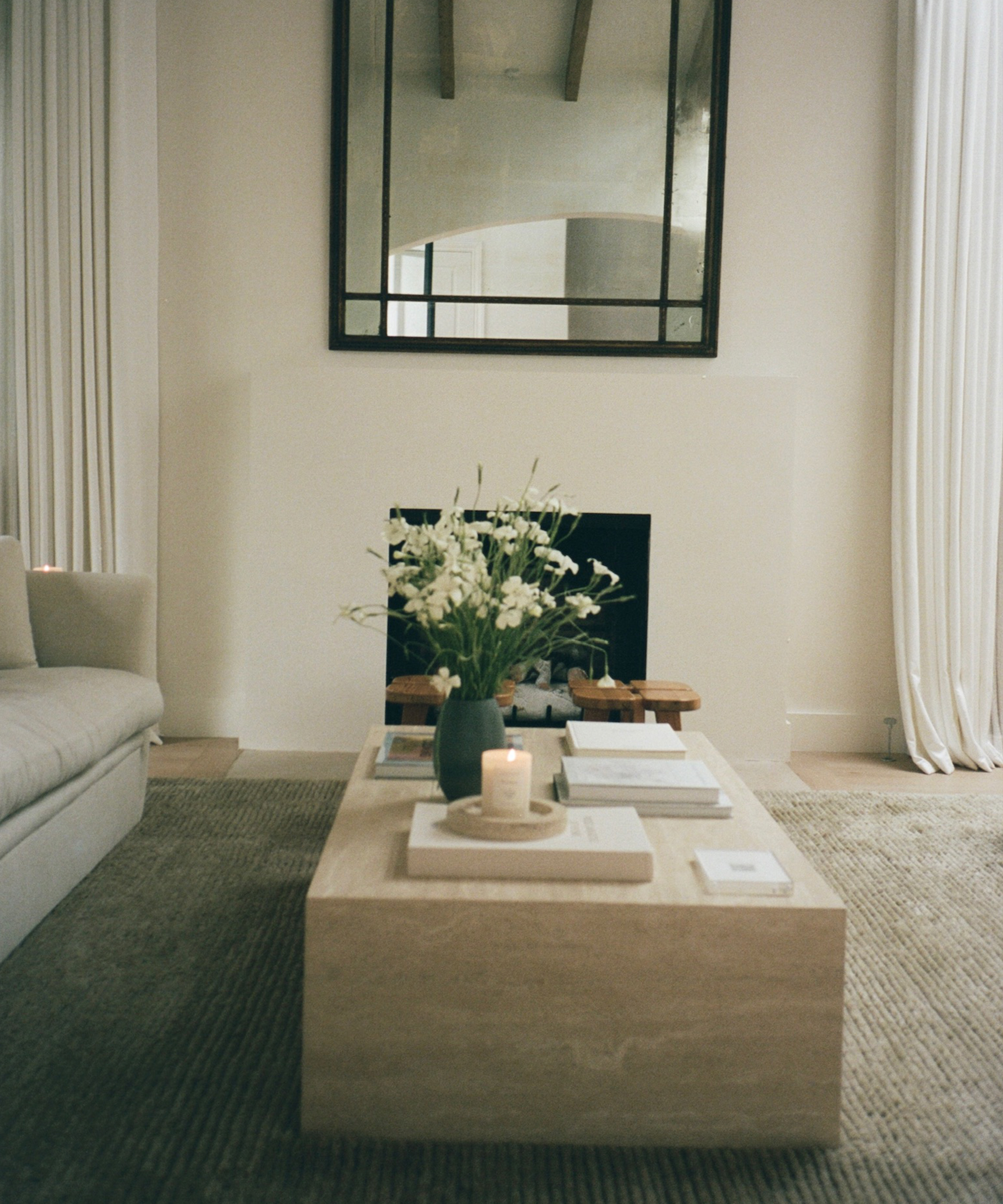
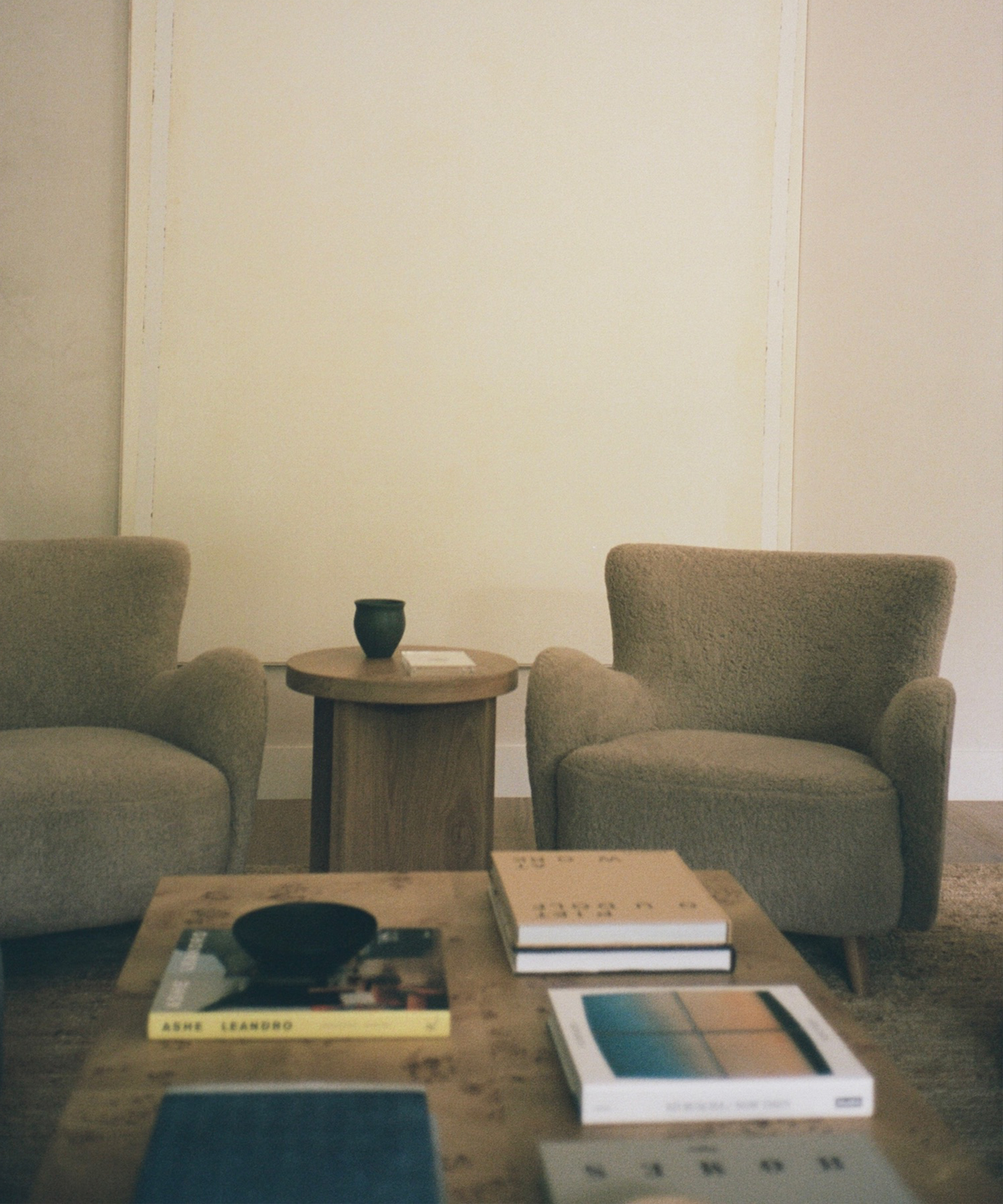
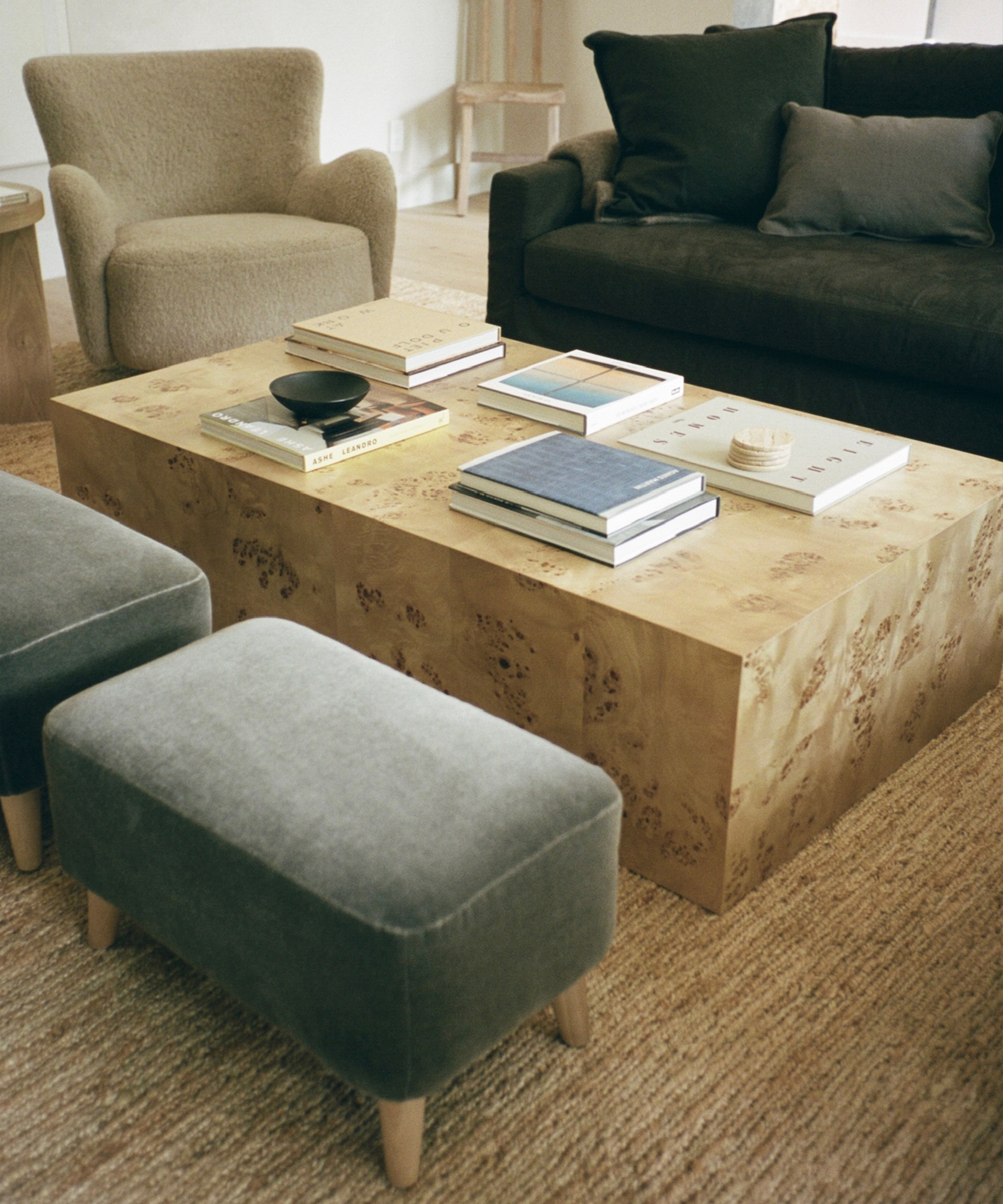
Linnea Schooley: We usually begin with a base layer of coffee table books and art, then build in layers with ceramics, textiles, and decorative accessories until it feels complete. When layering in your own space, I always advise leaving a bit more bare, allowing space for really special pieces you find over time, rather than filling it with a bunch of “stuff” that you don’t really love.
Rip & Tan: Any tips for styling a blend of vintage and contemporary pieces?
Linnea Schooley: We typically like to go contemporary for more functional, heavy-use items or areas where you’d like to prioritize comfort such as sofas. We also mix in vintage with accent pieces like accent chairs, stools and wood pieces.
Rip & Tan: What’s the one styling rule you always come back to, no matter the space?
Linnea Schooley: Asymmetry, along with thoughtful play in scale and shape, is something I almost always lean on in styling!
Shop the Story